TOP PICKS
Köler Prize 2026
The Estonian Contemporary Art Museum EKKM will celebrate its 20th season in 2026, opening the season with the Köler Prize exhibition. Five Estonian artists, Anna Mari Liivrand, Darja Popolitova, Hanna Samoson, Keiu Maasik, and Taavi Suisalu, will each create a new work for the show and the winner of the Köler Prize will be selected by an international jury. The exhibition will be accompanied by portrait films, a catalogue, and a gala event on 12 June. The Köler Prize was established by EKKM in 2011 to popularise contemporary art and to highlight and recognise outstanding artists on the local art scene. It hasn’t been awarded since 2018.
Kristi Kongi: Chromatic Drift
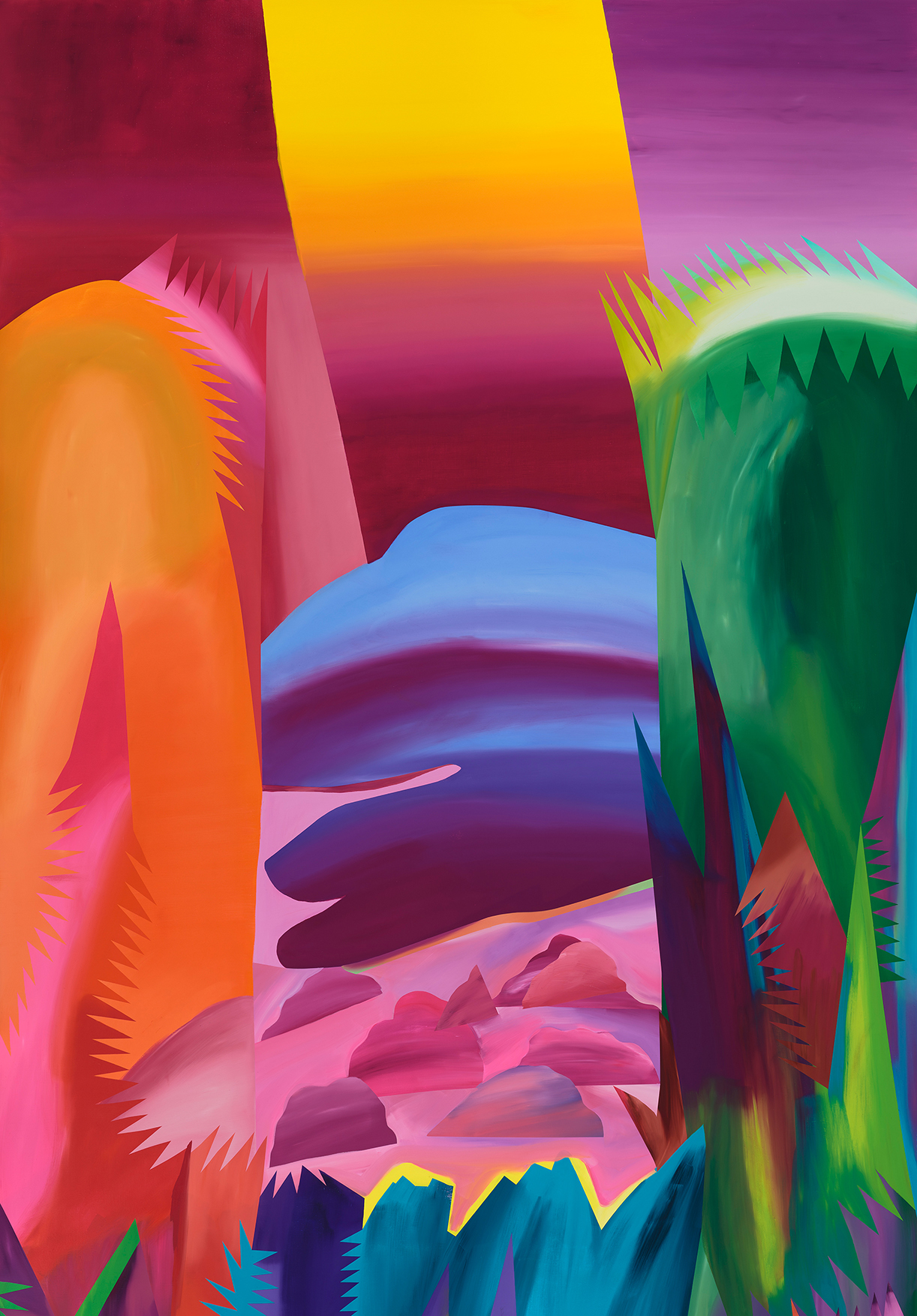
The large-scale solo exhibition of work by painter Kristi Kongi offers an immersive spatial experience. Operating within the expanded field of painting, the artist has moved beyond the boundaries of the canvas, allowing colors and motifs to extend onto the floor, walls, windows, and into the outdoor space. “Chromatic Drift” reflects the artist’s inner journeys over the past couple of years, in which colour serves as a means of mapping and preserving both memories and states of mind. Beneath the current of the artist’s richly coloured and abstracted worlds lie the manifestations of a geopolitically uncertain era. The exhibition is curated by Ann Mirjam Vaikla.
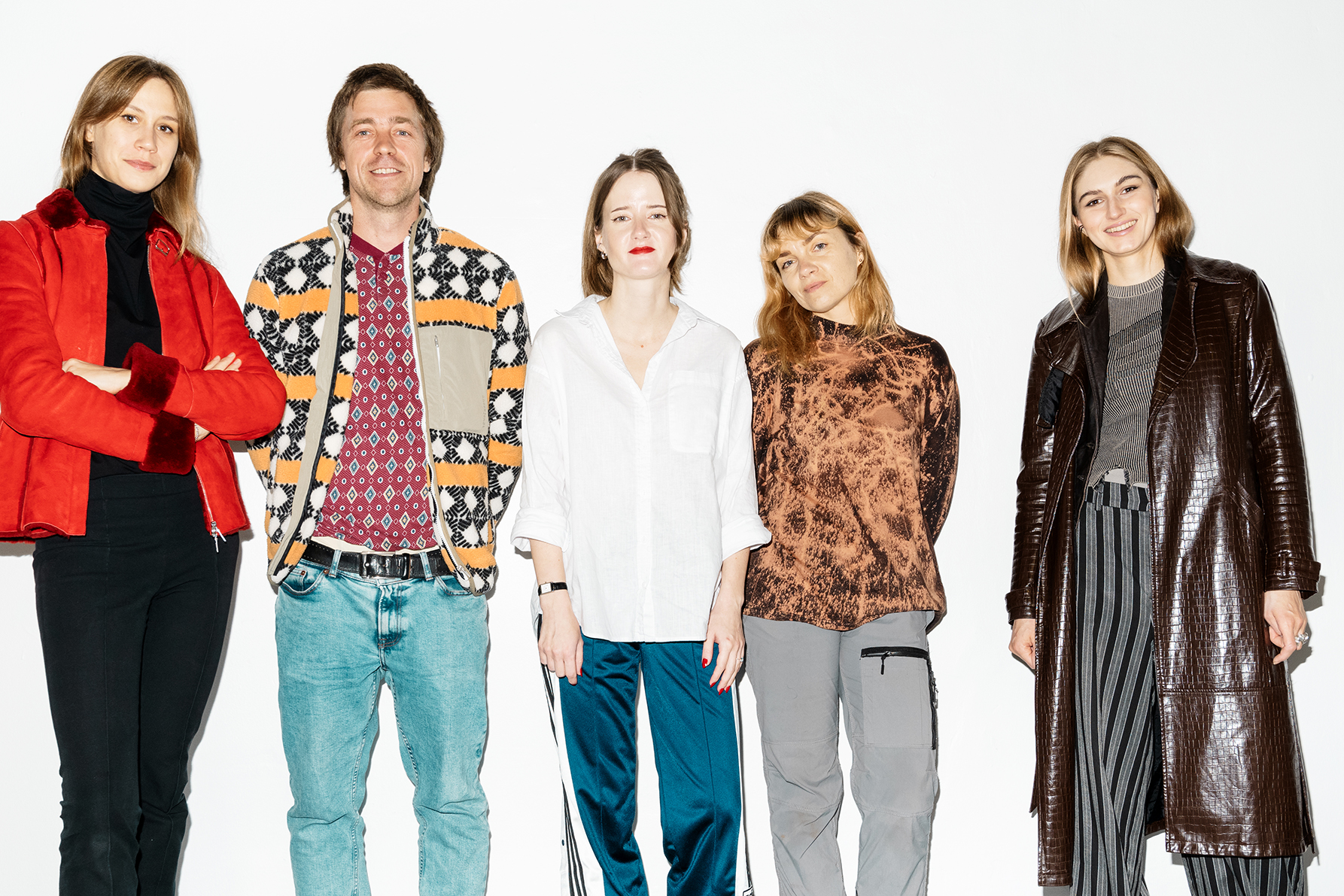
Köler Prize 2026 nominees. Photo: Roman-Sten Tõnissoo
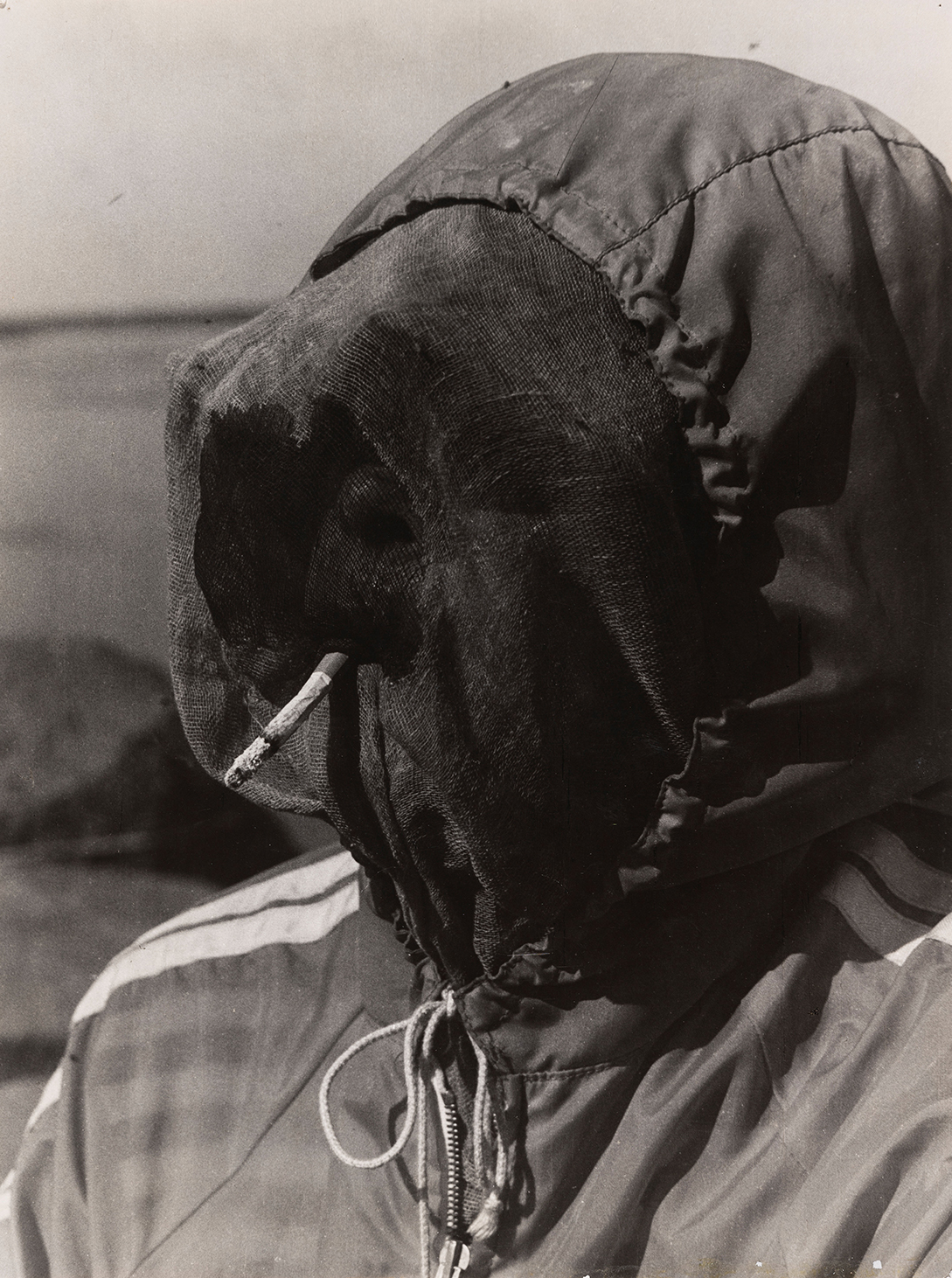
Indrek Erm, Self-portrait with a mosquito net, 1987. Photo: Estonian National Museum
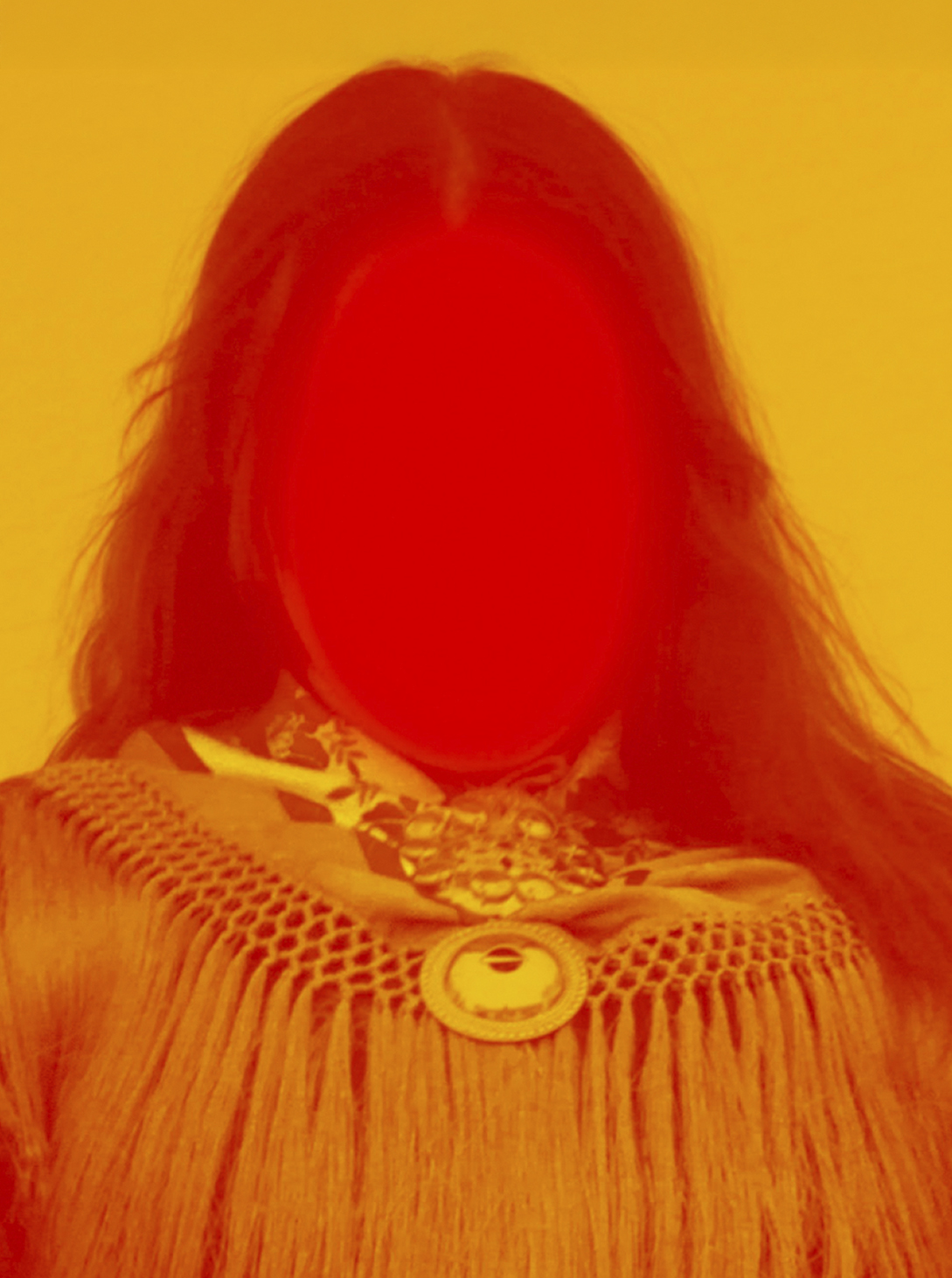
Lada Suomenrinne, Iditguovssu, 2020
Expedition. A Finno-Ugric Person and the Power of the Image
2 October 2026 – 4 April 2027
The Estonian Contemporary Art Museum Expedition. A Finno-Ugric Person and the Power of the Image (curated by Linda Kaljundi) examines the photographic and film material originating from Finno-Ugric research trips, along with Finno-Ugric heritage held in Estonian museum collections that addresses Estonians’ relationships with the Indigenous peoples of Siberia and the Nordic regions.
no beginning, no end: Decolonial Gestures in Sámi Worldbuilding
11 September 2026 – 14 March 2027
Kumu Art Museum, Tallinn @kumukunstimuuseum
Kumu Art Museum, Tallinn @kumukunstimuuseum
The exhibition no beginning, no end (curated by Ann Mirjam Vaikla) presents Sámi Indigenous perspectives on building a decolonial world through the work of contemporary artists. The works on display reveal the complex journey behind Indigenous demands for (environmental and social) justice within the seemingly democratic constitutional states of Finland, Sweden and Norway. The exhibitions are curated in close dialogue. By interpreting visual material produced during scientific, ethnographic, and artistic research expeditions to various regions of the Russian Empire and the Soviet Union, the exhibitions participate in ongoing discussions on the decolonisation of Eastern European and Eurasian cultural heritage.

Who’s afraid of motherhood?
The exhibition highlights motherhood as a deeply personal (bodily) experience that, despite its intimate nature, has largely been shaped, framed, and constrained on unequal terms by a patriarchal world. At the exhibition, motherhood is conceptualised in a non-gender-specific way, understanding parenthood as an interrelational dynamic between caregiver and cared-for. Focusing on the experiences of Central and Eastern Europe, the project creates dialogues between artists from Estonia, Latvia, Lithuania, Hungary, Poland, Ukraine, Slovakia, Austria, Finland, Sweden, and Palestine. The exhibition is curated by Eda Tuulberg.
The opening show of the renovated Tallinn Art Hall: Estonian Art from Beginning to…
The rebirth of Tallinn Art Hall is not without precedent. Including its original inauguration, this marks the fourth return of the space. Each time, the Art Hall has opened into a different era: the Age of Silence, the newly established Estonian SSR, a country that had just regained its independence… Into what kind of era does the Art Hall reopen today? Looking back, our time may one day seem crystal clear – as though it had been a distinct era with its own unmistakable tendencies. The exhibition brings together a large selection of Estonian artists from different periods of time and is curated by Tamara Luuk and Siim Preiman.
RECOMMENDATIONS
Paul Kuimet and Magnhild Øen Nordahl: Exploded View
In the exhibition, new and recent works by Estonian artist Paul Kuimet and Norwegian artist Magnhild Øen Nordahl consider the relationship between visual representation and the lived experience of spaces and objects. The show is curated by Anthea Buys.
Priit Pärn: Boletus
The exhibition shows the works of the legendary Estonian filmmaker, stage designer and caricaturist, focusing on his lesser known works. The exhibition’s public programme is devoted to the artist’s film screenplays that were never realised on screen. The show is curated by Tamara Luuk.
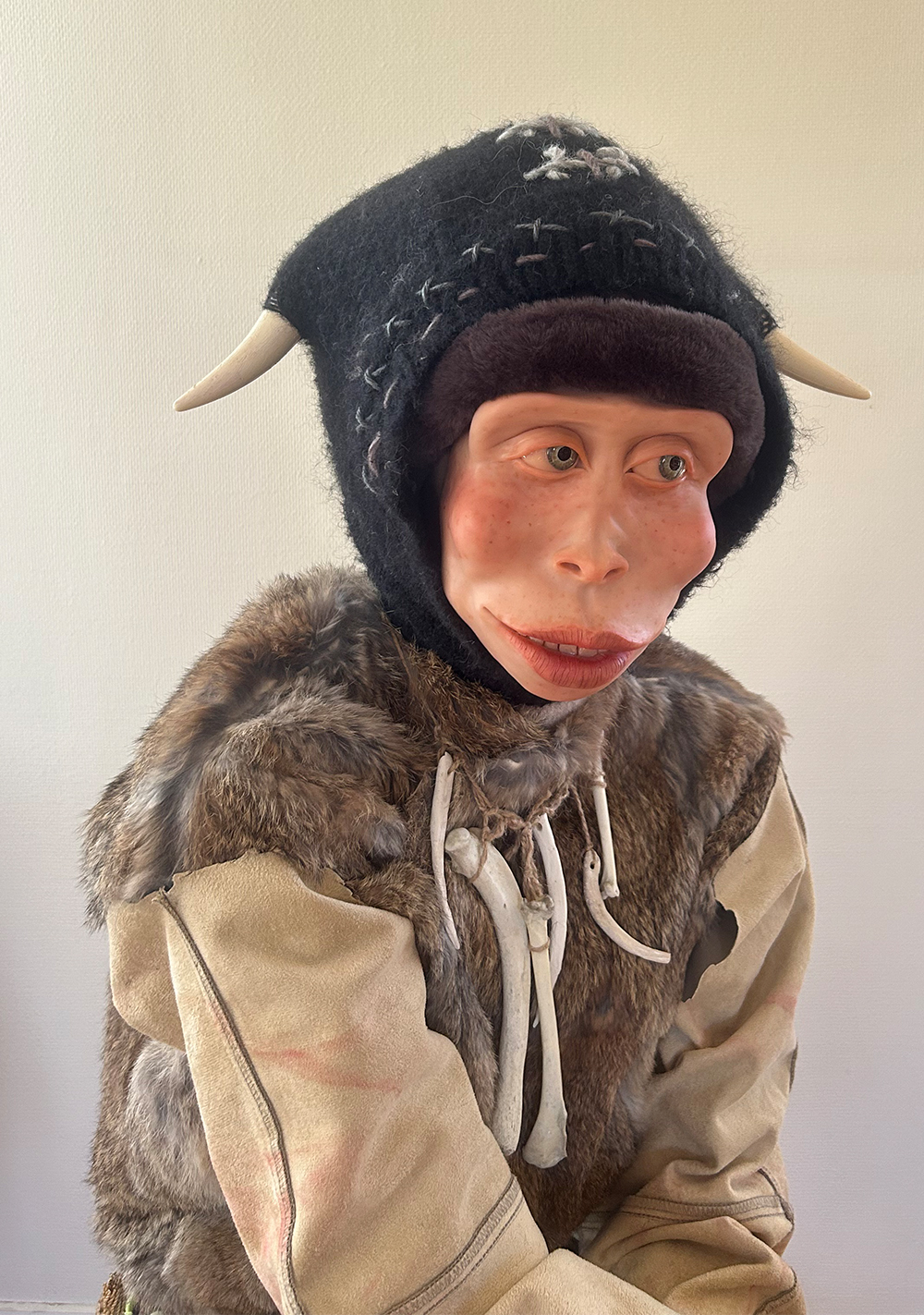
Klara Zetterholm, Snow Roamer, 2026
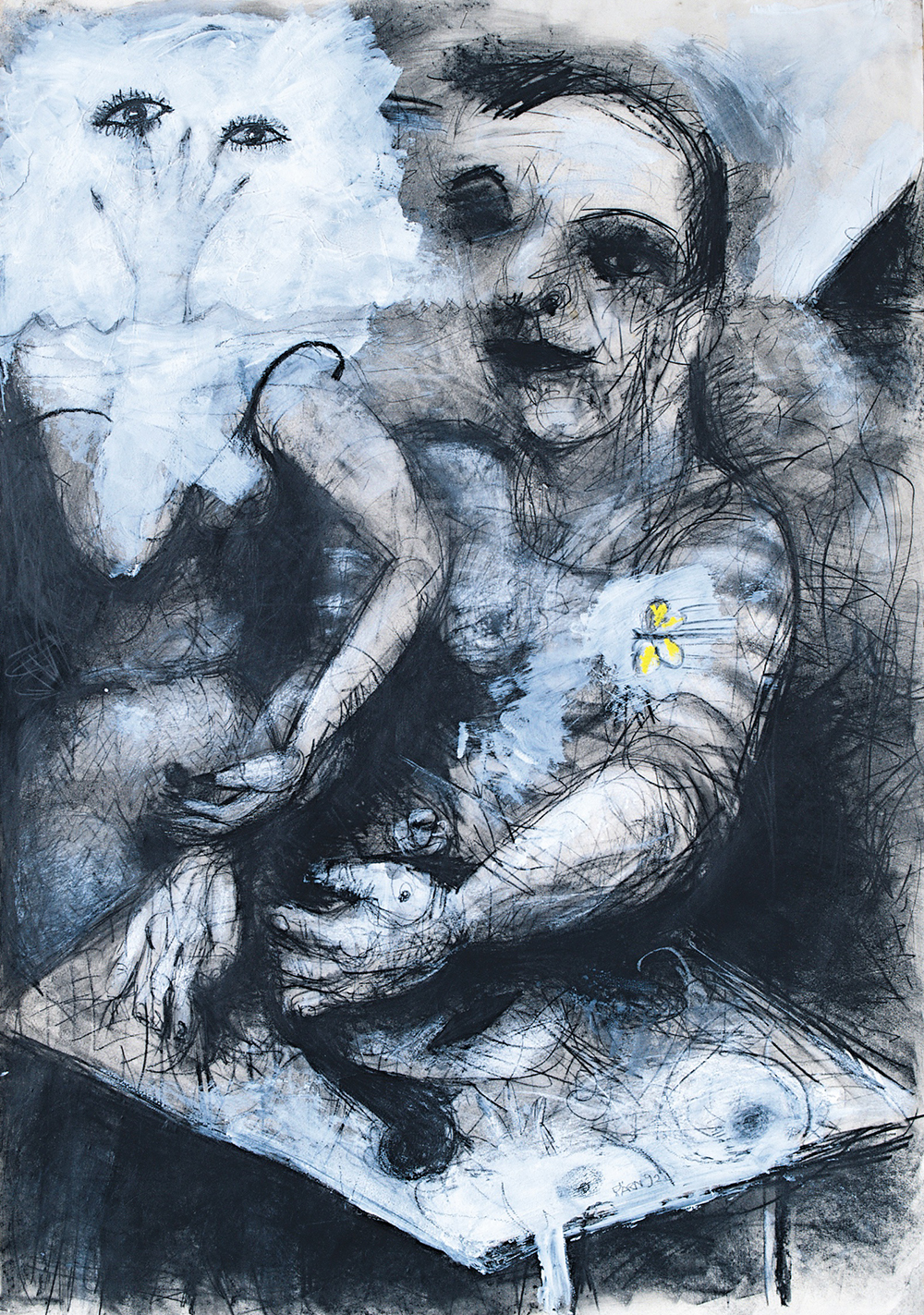
Priit Pärn, La farfalla gialla, detail, 1992. Photo: Olga Pärn
Zody Burke & Klara Zetterholm: Ersatz Strata
The joint exhibition creates a fictional archaeological site inspired by the visual language and narrative techniques of natural history museums. The exhibition explores how meaning emerges through display, how history is staged, and how institutions shape our understanding of the past.
Maria Kapajeva: I Am A Border
The exhibition by artist Maria Kapajeva, composed of photographs, videos, installations, textiles and other media, is the result of more than a decade of research. This exhibition is further shaped by the fact that, for the past few years, the artist has lived and worked in the Estonian Artists’ Association’s studio apartment right next to the Art Hall Pavilion. During this time, she has organised various events there and also taken part in the pavilion’s community garden. The exhibition has thus developed with the local community in mind. The exhibition is curated by Siim Preiman.
Urban Utopia III
The exhibition will bring together graphic artists from different generations who will reveal the poetic, abstract and utopian side of urbanity. The curators of the exhibition are Liis Tedre and Riin Maide.
Anna Mari Liivrand solo show
Anna Mari Liivrand is a sculptor and installation artist, who also works with drawing. Using poetic language, Liivrand explores evanescence and melancholy in today’s society. In recent years, Liivrand has focused on everyday rituals. The show is curated by Elīna Drāke.
BEYOND
Laura Põld: Beautiful Pulsating Web
Kahan Art Space, Vienna
18 March – 29 June
Kahan Art Space, Budapest
4 September- 31 October
@evakahanfoundation
18 March – 29 June
Kahan Art Space, Budapest
4 September- 31 October
@evakahanfoundation
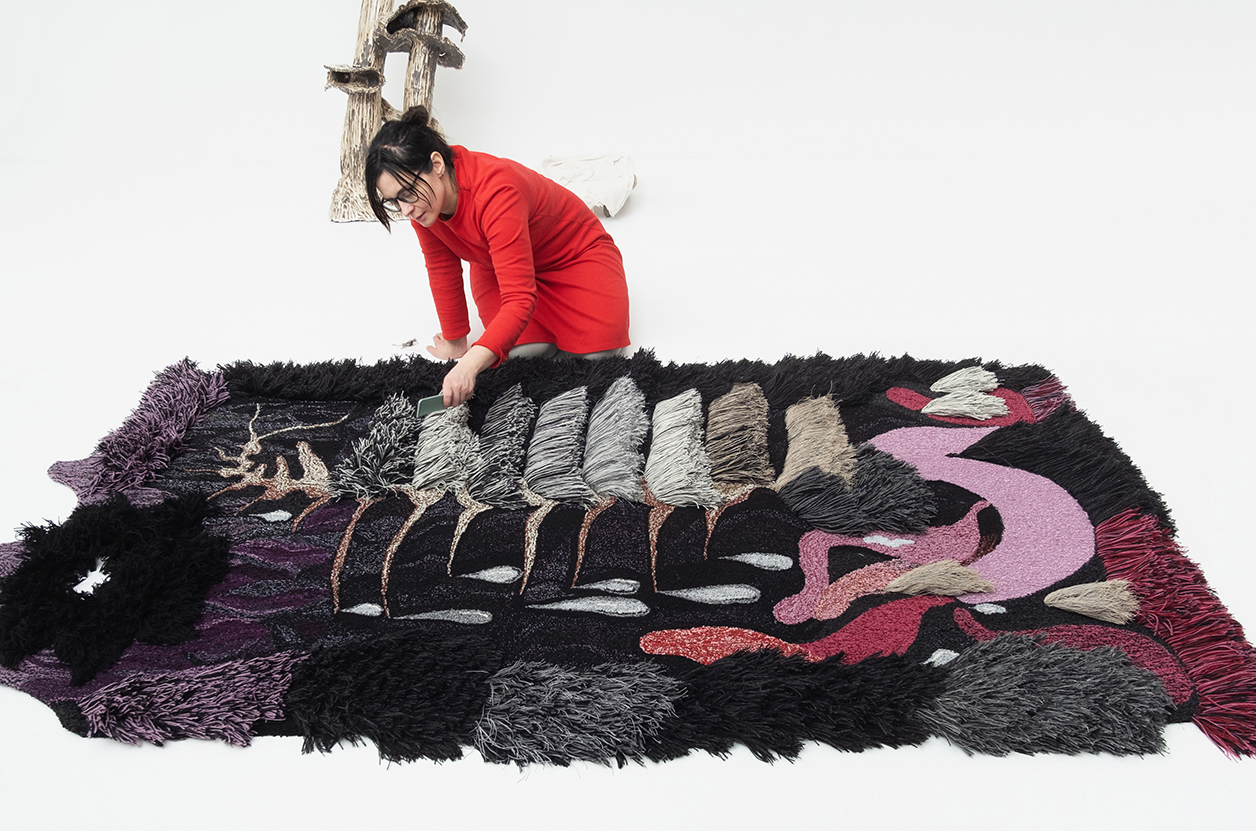
In Laura Põld’s new textile and ceramic works, the artist continues to work with her longstanding interest in rehearsing alternative modes of knowing, shifting aside from the dominant assumption that thought begins with human perception and instead granting intelligent agency to fungal and vegetal life. The show is curated by Lilian Hiob-Küttis.
Konrad Mägi and Kristina Õllek in dialogue
A pioneer of Estonian modernism, yet little known in the UK, this landmark exhibition brings together over 60 of Mägi’s most captivating paintings for the first time in the UK. Alongside Mägi’s works, a new commission by contemporary Estonian artist Kristina Õllek, uses sea salt, limestone, and cyanobacteria to explore the living, evolving nature of landscape, placing past and present in powerful dialogue.
We Who Remain
Organised jointly by Kiasma and the Sámi Museum Siida, this exhibition presents art by and about the Sámi community across the Sápmi territories of Finland, Sweden, and Norway from the 1970s to the present day. The Sápmi region existed long before the emergence of Nordic nation-states or national ideologies. The exhibition invites viewers to explore Sámi identity as expressed by the Sámi themselves, highlighting the complexities of Sámi experience, showing how Sámi identity endures and remains vibrant despite extern pressures. The exhibition is curated by Saami Rights advocate, essayist and musician Petra Laiti.
Estonian Realities
The exhibition, devoted to three Estonian artists whose work extends from the mid-twentieth century to this day: Olga Terri (1916–2011), Anu Põder (1947–2013), and Kris Lemsalu (born in 1985), presents the diversity and vitality of the Estonian art scene through the eyes of these three artists from different generations. The treatment of the human body operates as a common thread between the work of the three creators: a body at times abandoned, fragmented, expanded, transformed, exuberant, or combative.
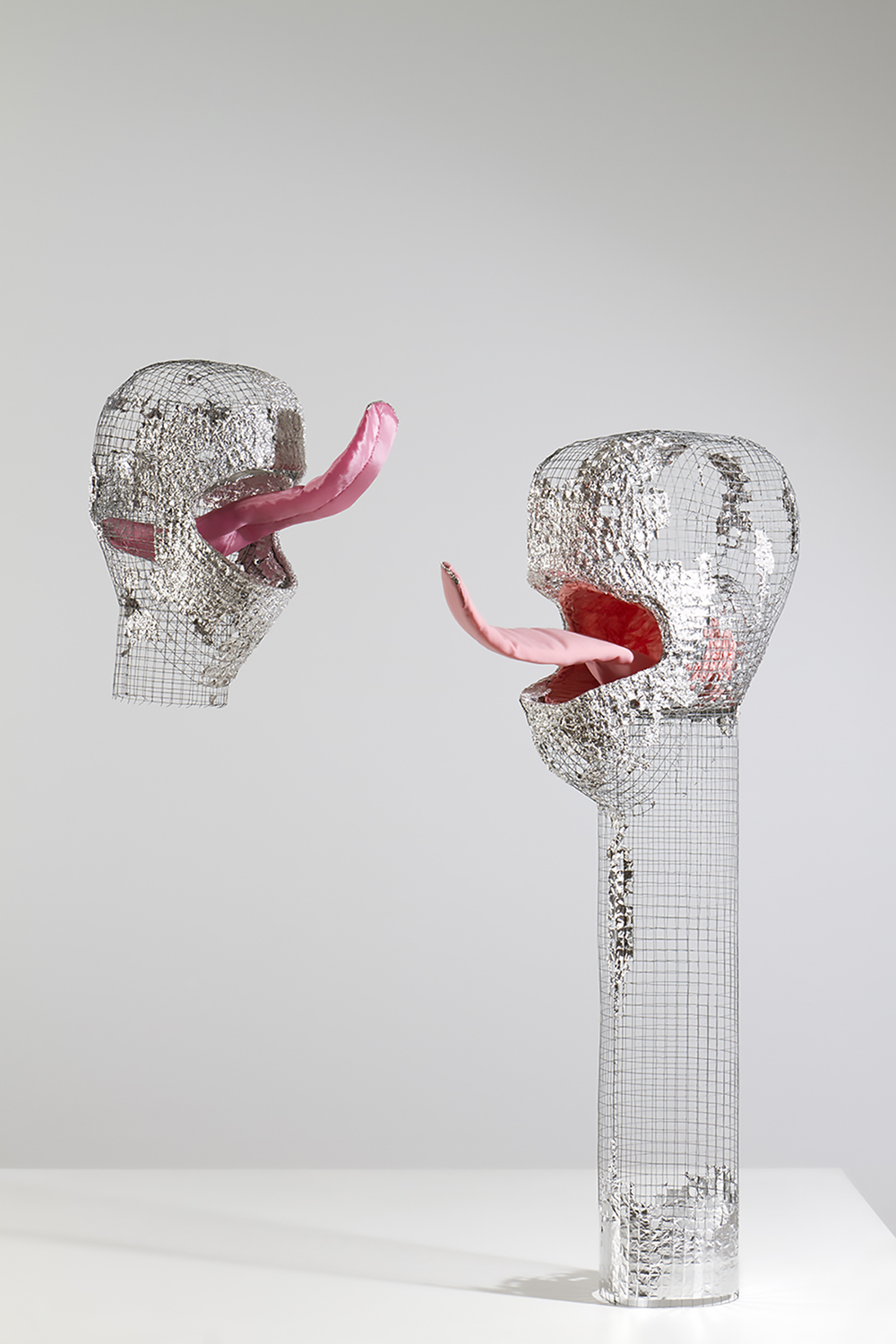
Anu Põder, Lickers, 2007. Anu Põder Estate. Photo: Hedi Jaansoo
Eike Eplik solo show
Le Guern Gallery, Warsaw
11 April – 23 May
@le_guern_gallery
11 April – 23 May
@le_guern_gallery
The artist will show her clay works that illustrate the diverse possibilities of this material: installations, sculptures and reliefs that the artist creates as organically developing structures through the addition, exclusion, and transformation of elements. Each of them is a separate microcosm in which plant, animal, and anthropomorphic elements combine into hybrid forms. The exhibition is curated by Kaja Werbanowska.
Edith Karlson: Dawn til Dawn
Kiasma Art Museum, Helsinki
17 April – 27 September
@kiasmamuseum
17 April – 27 September
@kiasmamuseum
Edith Karlson’s exhibition confronts visitors with four-metre giants, a skeleton arching across the hall, and an entire army riding towards its inevitable fate – while birds look on silently. Beside a well, mermaids rise from the water to witness the consequences of human destruction on sea and land. Mythical characters, for Karlson, are a vehicle for exploring questions that reason alone cannot answer. Edith Karlson represented Estonia at the 2024 Venice Biennale. The exhibition is curated by Piia Oksanen.
Karolina Wiktor: Cartography of Motherhood
For the first time in her practice, the artist explores the subject of motherhood from the perspective of a woman with post-stroke aphasia, addressing the issue of parenting by women with disabilities. At the heart of the exhibition’s narrative lies the relationship between a mother with aphasia and her daughter, where everyday gestures, domestic rituals, and developing new forms of communication become a form of rehabilitation in their own right. The curator of the show is Katarzyna Kołodziej-Podsiadło.