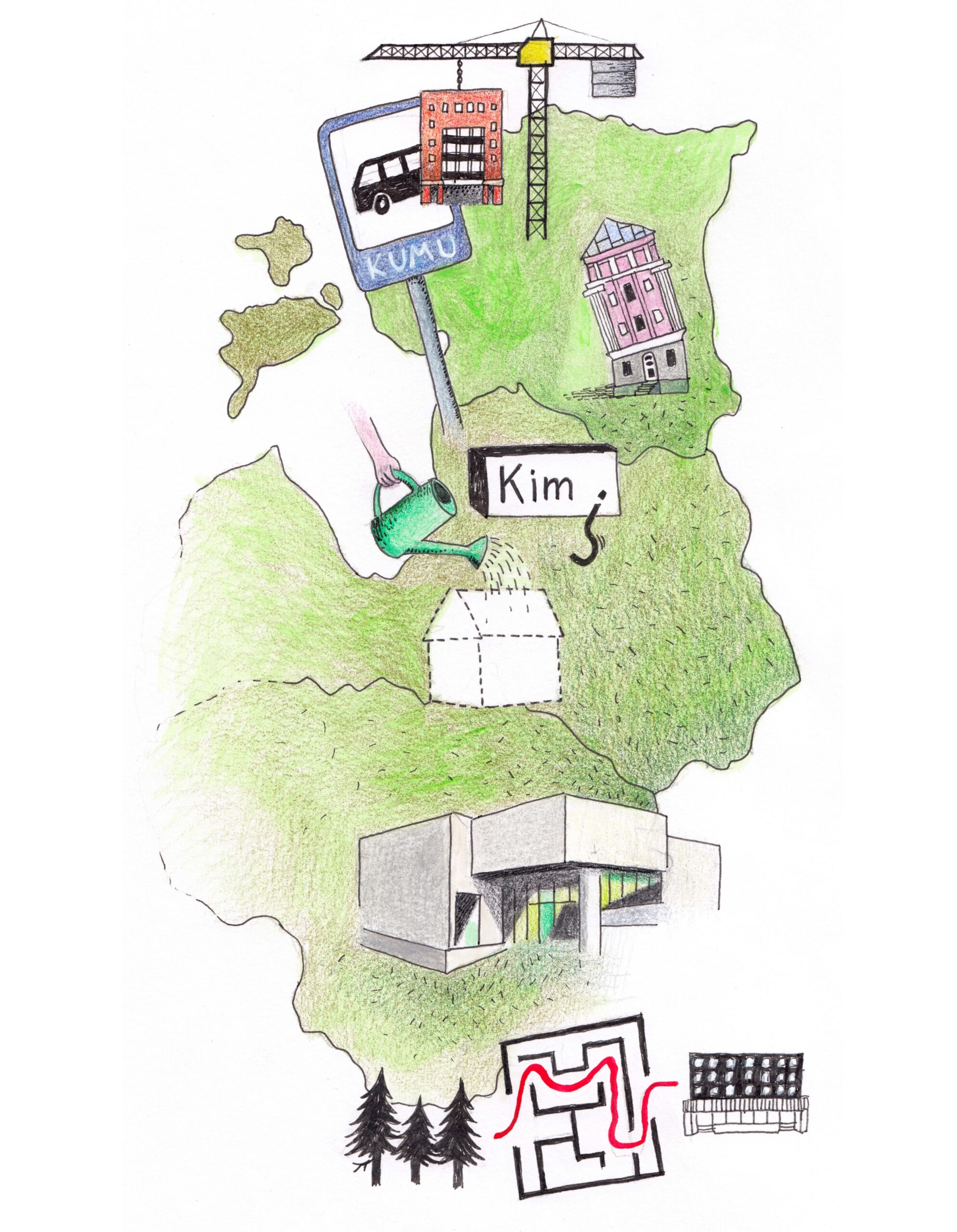
In smaller art scenes it sometimes feels that every new art space, however big the institution, comes together as a community project, involving the thoughts, criticism, emotional and financial contribution of everybody.
According to a legend, the early 20th century Estonian poet Juhan Liiv donated his jacket to help fund the construction of the first Estonian-language theatre, as he had no other possessions to give. Today, jackets have been replaced by euros, although budgets are still calculated and monitored with painful precision.
In 2002, the Estonian state sold the historic building in central Tallinn designed by Eliel Saarinen in order to finance the construction of Kumu Art Museum. Kumu was the first building in Estonia purpose-built as an art museum. It was opened in 2006 and celebrates its 20th anniversary this year. The completion of Kumu fulfilled a major dream of Estonia’s art scene but the institution also immediately faced sharp criticism regarding its location, architecture and some of its displays. Still, it has been an affair of our own: we built it ourselves and we criticize it ourselves.
Another significant building, Tallinn Art Hall which houses both the art hall and artists’ studios, will reopen at the end of 2026 fully renovated – something that has been anticipated for decades. The reconstruction process has been accompa-nied by debates over whether it would be wiser to renovate the Art Hall, build an extension to the National Opera, or construct a new building for Estonian National Broadcasting. In a country with a small economy and a need to constantly invest in defence, choices are not always easy.
So, to know more about what has been happening behind the scenes, we asked art professionals connected to Kumu, Tallinn Art Hall but also other art institutions in the Baltics what the significance of an art building is in this region. What are the dreams and disagreements that make an art space?
Kumu Art Museum: a complicated compromise between a National Gallery and a Contemporary Art Museum
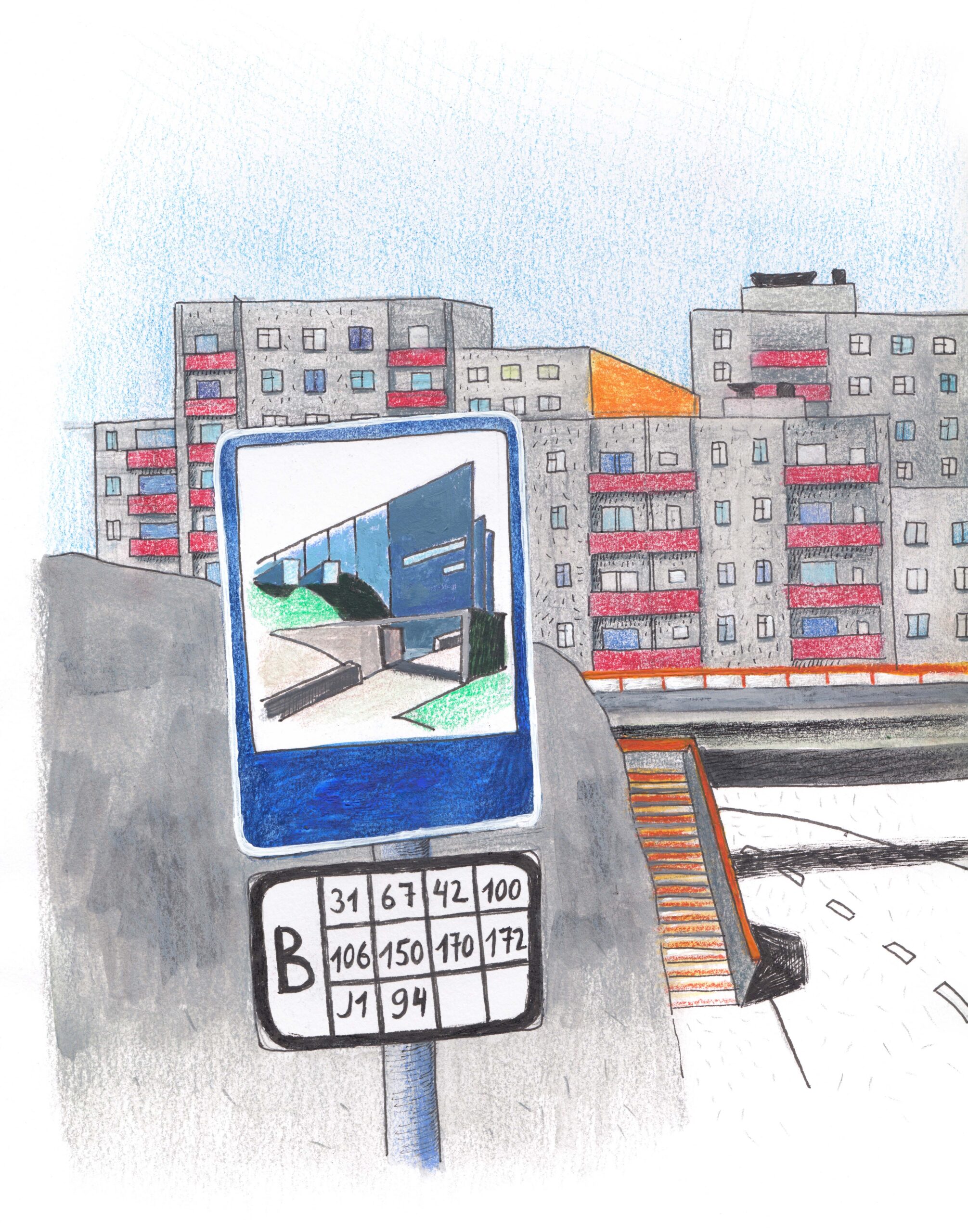
The opening of Kumu marked an end of a chapter for me. From 1996 to 2005, the contemporary art gallery of the Art Museum of Estonia was operating out of the Rotermann Salt Storage building, headed by Eha Komissarov – essentially functioning in the role of a contemporary art museum. Kumu was a complex art political compromise – in a way, it was as if a national gallery and a contemporary art museum were put together under one roof, meaning contemporary art would inevitably be the loser in this situation, or at least that is how it seemed at the time.
I, and many others, would have obviously liked to have seen post-war art and contemporary art housed in separate buildings. This fact was also a contributing factor to why I, and a group of likeminded people, decided to establish the Contemporary Art Museum of Estonia or EKKM, now celebrating its 20th anniversary.
Although, Kumu cannot be singularly blamed for the birth of EKKM: it would have been born regardless of Kumu being opened or not, there were many other reasons for establishing an alternative art space. But thanks to Kumu, there was a moment, when it seemed nobody wanted the label of contemporary art museum, so we just nicked it and put it on the wall of our squatted shack, where we started playing around with the idea and essentially performing a contemporary art museum.
Tallinn Art Hall: a long renovation and new beginning for
the exhibition space and the artist studios
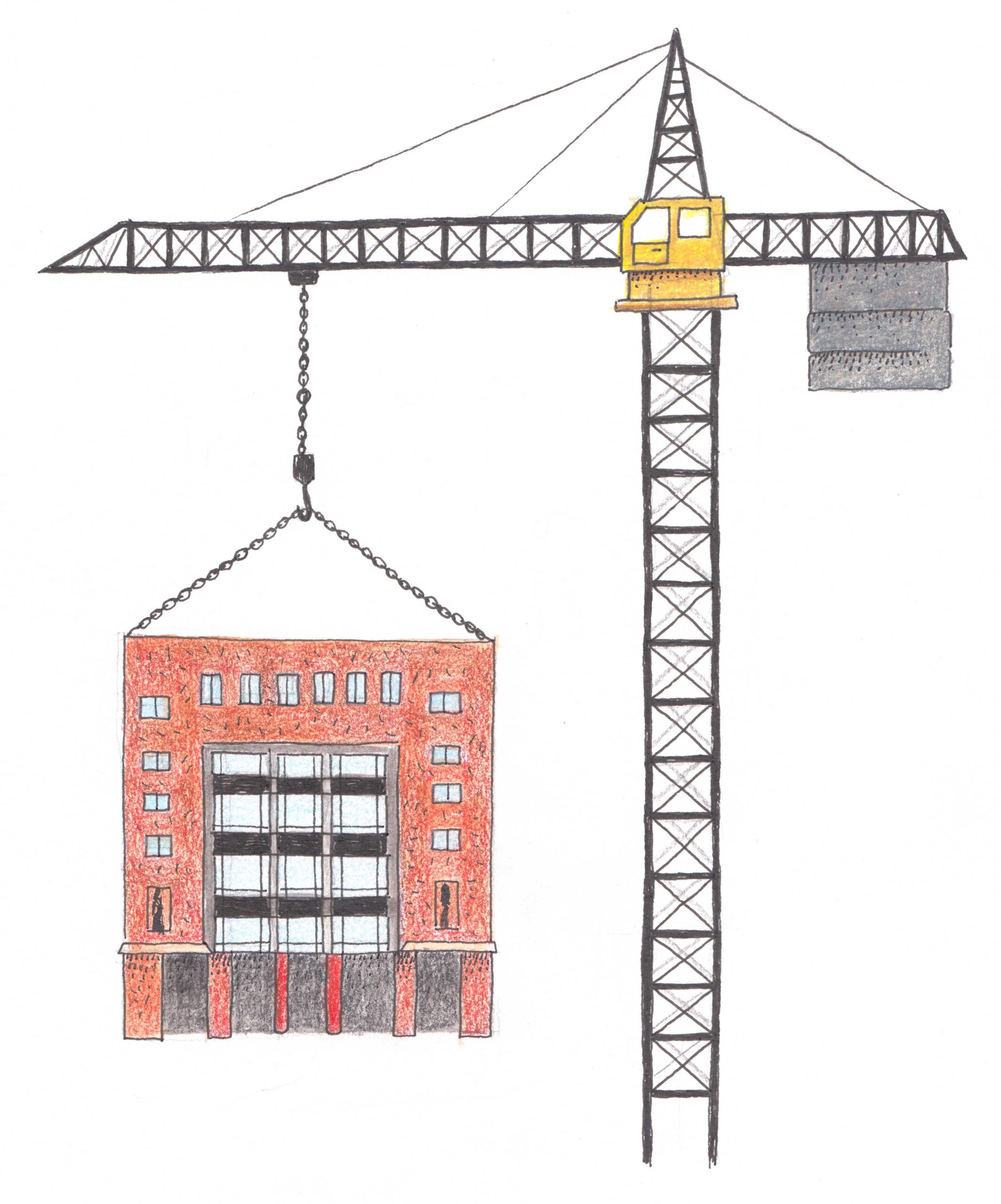
Tallinn Art Hall, built for artists in 1934 by the Cultural Endowment of Estonia, has been a studio and a (second) home for generations of artists whose art matters. I have been tied to Tallinn Art Hall through my workspaces – a desk at the office for several years and a studio for 25 years. My work would probably be different had it been created somewhere else. The works created in the unique atmosphere of the Art Hall correspond to the initial function of the building as an art machine, supported through the proximity of artist studios and exhibition spaces. Here contacts, support and knowledge are fostered between people. This can be summarised as aura and genius loci. For the Estonian art field, Tallinn Art Hall signifies noteworthy contemporary art exhibitions taking place in spaces designed for art. The same orbit is also shared by Kuku Club and Printmaking Workshop, both of which have made their mark on history.
Tallinn Art Hall is special due to its location on the historically significant Freedom Square in Tallinn’s city centre. It bestows a balancing vibe alongside such disparate elements as St. John's church with its out-of-tune carillon chiming every hour, the newly renamed former Russian Theatre, the glass cross commemorating the War of Independence, the strange little monuments scattered here and there, and the colourful light art columns that do not match their surroundings. The building is not only an institution, it has agency; when it comes to the development, visibility and significance of art, a more total return to the space will take place when the Art Hall returns to its original location in late 2026 from the temporary Lasnamäe Pavilion.
When the renovation started in the Art Hall building in 2022, it had been dilapidated to its limit. I believe that after the extended renovation process, the building will gain new breath and momentum. Its renewed spatial concept will allow for high quality exhibitions and strong synergy for the artists who will receive studio space there. The old spirit of the Art Hall meets new makers – who, when you meet them in the lift, you can ask them the time.
Tartu Art Museum: an 85-year-old dream of a new building
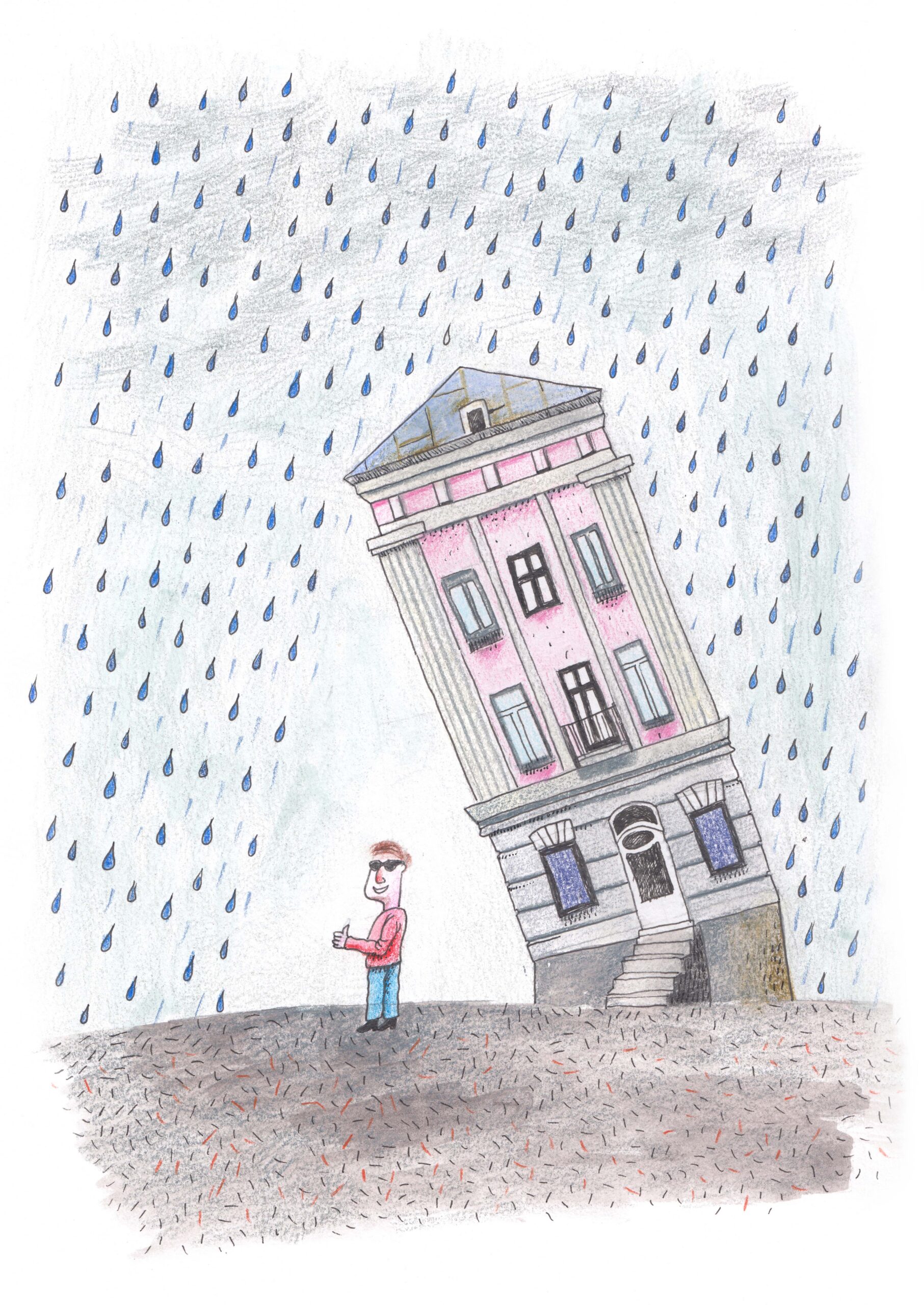
Tartu Art Museum holds the second largest art collection in Estonia. It is the largest Estonian art institution outside Tallinn. But it has always operated out of temporary spaces. Neither the earlier nor the current gallery spaces have been built for exhibiting – the conditions are poor.
Throughout the museum’s 85-year history, the question of a new museum building has repeatedly been raised, but the actual construction has been held back by financial constraints but, above all, by political decisions. When it comes to the Tartu Cultural Centre Siuru project we have in the works today, Tartu municipality was highly motivated to build the new cultural centre. In 2023, an architectural competition took place and today, we are at a place where archaeological excavations are about to begin at the site and simultaneously, we are already working on interior design, furniture and lighting. We hope to begin working out of the new building in 2030.
For Tartu Art Museum, the new building means a permanent exhibition, good conditions for organising international exhibitions and public programmes for schools and the general public as well as an open library. And, of course, there will be opportunities for collaboration with other residents in the building.
Although, not unexpectedly, the construction of the Siuru cultural centre has stirred up a lot of emotions in Tartu, I can confidently say that it is a welcome development – the last two local elections have shown that the majority of residents in Tartu voted for parties that support building Siuru.
For me personally, Siuru is my life's work, in a way, as I have been involved in it since the very start in 2018. I believe the Siuru cultural centre will change the face of Tartu significantly.
Kim? Contemporary Art Centre in Riga: from ambiguity to a rent-free dream space
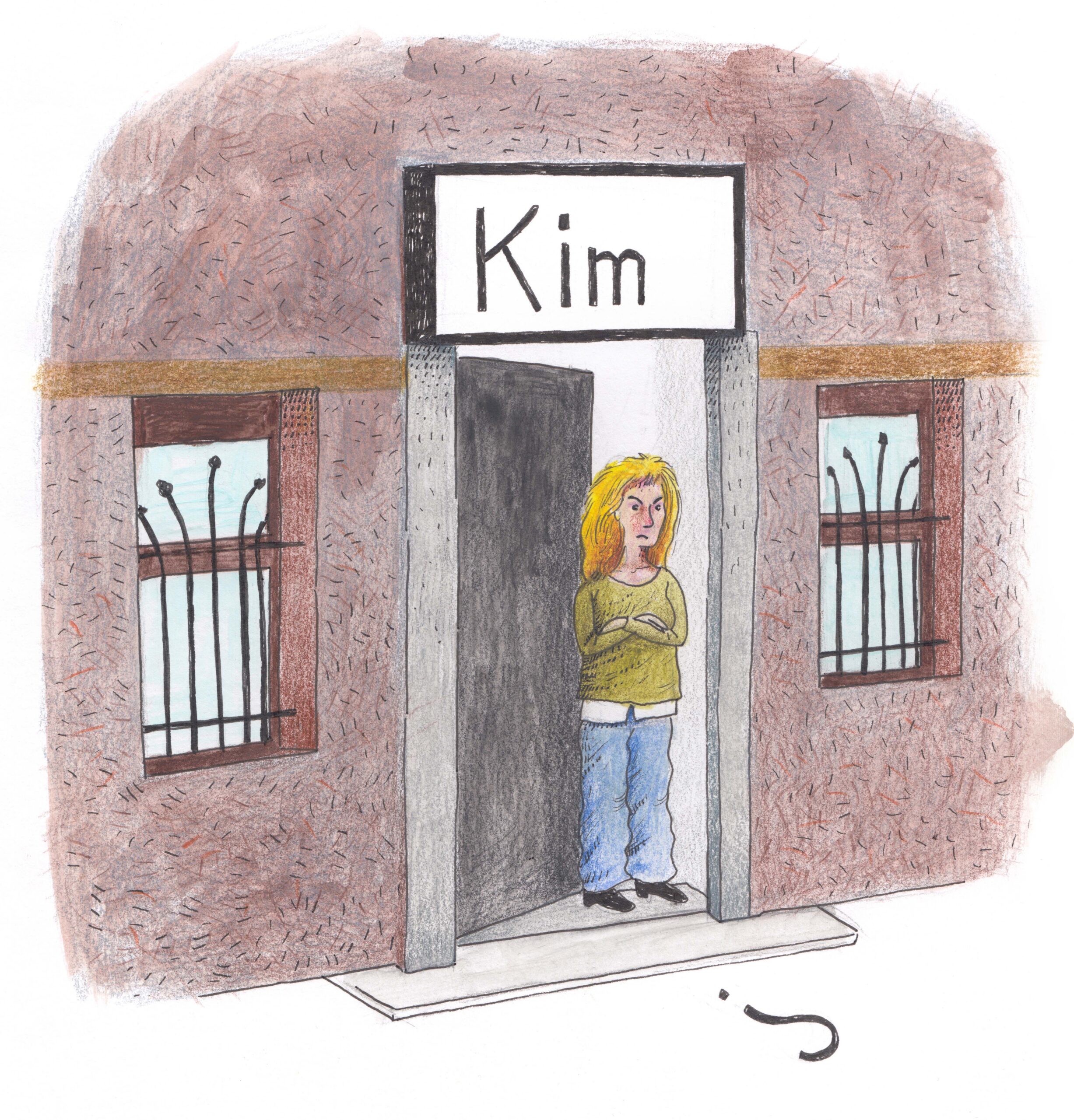
Kim? Contemporary Art Centre – affectionately shortened to ”Kims" – has been around since 2009. Its early public life unfolded in Spīķeri, then a site of latent promise, tucked just behind the relentless hustle and bustle of the Central Market. Those years were shaped by parallel processes: learning how to speak as an institution, testing the grammar of exhibition-making and forging friendships with art colleagues near and far – all while inhabiting a historic three-storey granary, transformed into a make-shift white cube.
As ownership structures shifted and new developers arrived, the rhetoric of gentrification grew louder. Our position became increasingly ambiguous – unlike the rent, which rose with steady clarity. In 2016, we relocated to 2 Sporta Street, another semi-somnolent post-industrial site defined by impermanence and rotating tenants. Carrying forward hard-won experience in navigating unstable areas, we have managed to anchor an audience: foot traffic learned the route, public programmes have become gatherings and openings stretch into nights of dancing to DJ sets.
Still here, with an exhibition programme drafted well into the early 2030s, we are nevertheless already rehearsing the future. Since spring 2024, Kim?’s other foot – or perhaps our third or fourth – has crossed into a new address. Third time lucky, we hope. After a prolonged process of site-scouting, lobbying, and legislative negotiation, a pre-renovation historic building ten times the size of our current space has come into our care.
With it arrived a set of unprecedented conditions: a million-euro fundraising horizon, the daily maintenance of an unheated structure, the stewardship of temporary studio tenants, and the activation of the site through EDEN, a summer festival conceived as a collective warm-up. What awaits us there is the rare position of a rent-free tenancy – a structural shift that feels almost utopian. Beyond the logistics, the anticipation is palpable. We’re excited and, according to the word on the street, so is everyone else.
Latvian Museum of Contemporary Art: a new dream replacing the non-existent museum
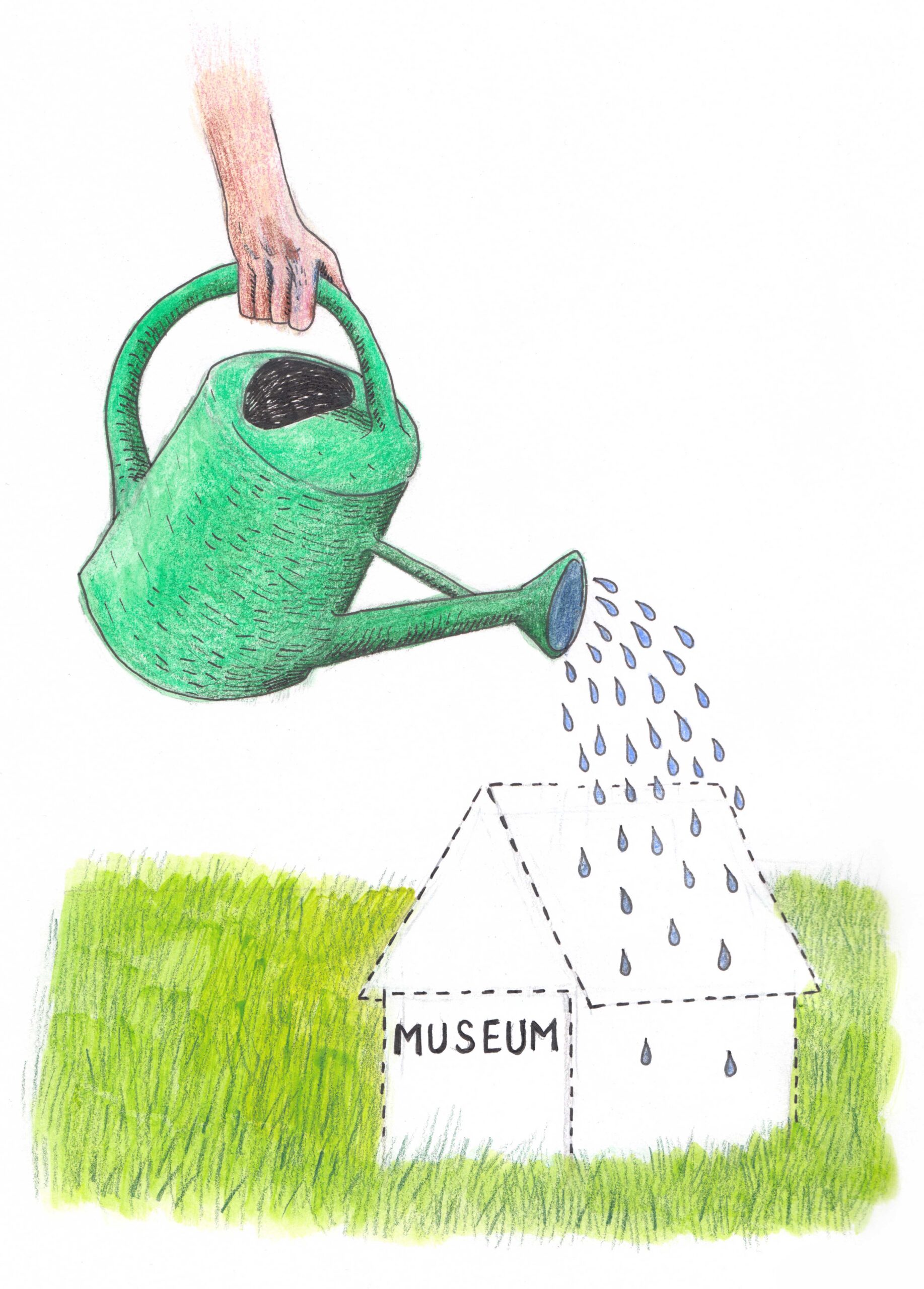
The Museum of Contemporary Art, which has for 30 years already been a dream for the Latvian art scene, would be a crucial cultural policy instrument within the local cultural landscape. It would not only ensure the acquisition and preservation of a significant segment of art history but also play a major role in advancing contemporary art processes internationally. A museum would offer a stable framework for research, collection, and long-term reflection, enabling contemporary artistic practices to be recognised not as fleeting moments, but as essential threads in the fabric of our cultural history.
For me personally, contemporary art prompts us to question both ourselves and the course of the world; it can strike painfully, yet also become a source of comfort in moments when it feels as though the world is losing its mind.
The idea of constructing a new contemporary art museum is currently overshadowed by budgetary constraints and the geopolitical context. Meanwhile, last year it was decided that the Contemporary Art Department will begin operating within the Arsenāls Art Museum, dealing with both contemporary art research and issues related to collecting and exhibiting. The Arsenāls Art Museum is scheduled to open in 2028, with the multiple expansion of its exhibition halls, simultaneously allocating space for both late-20th-century and 21st-century art.
Rupert Art Centre: Relocating to the centre of Vilnius
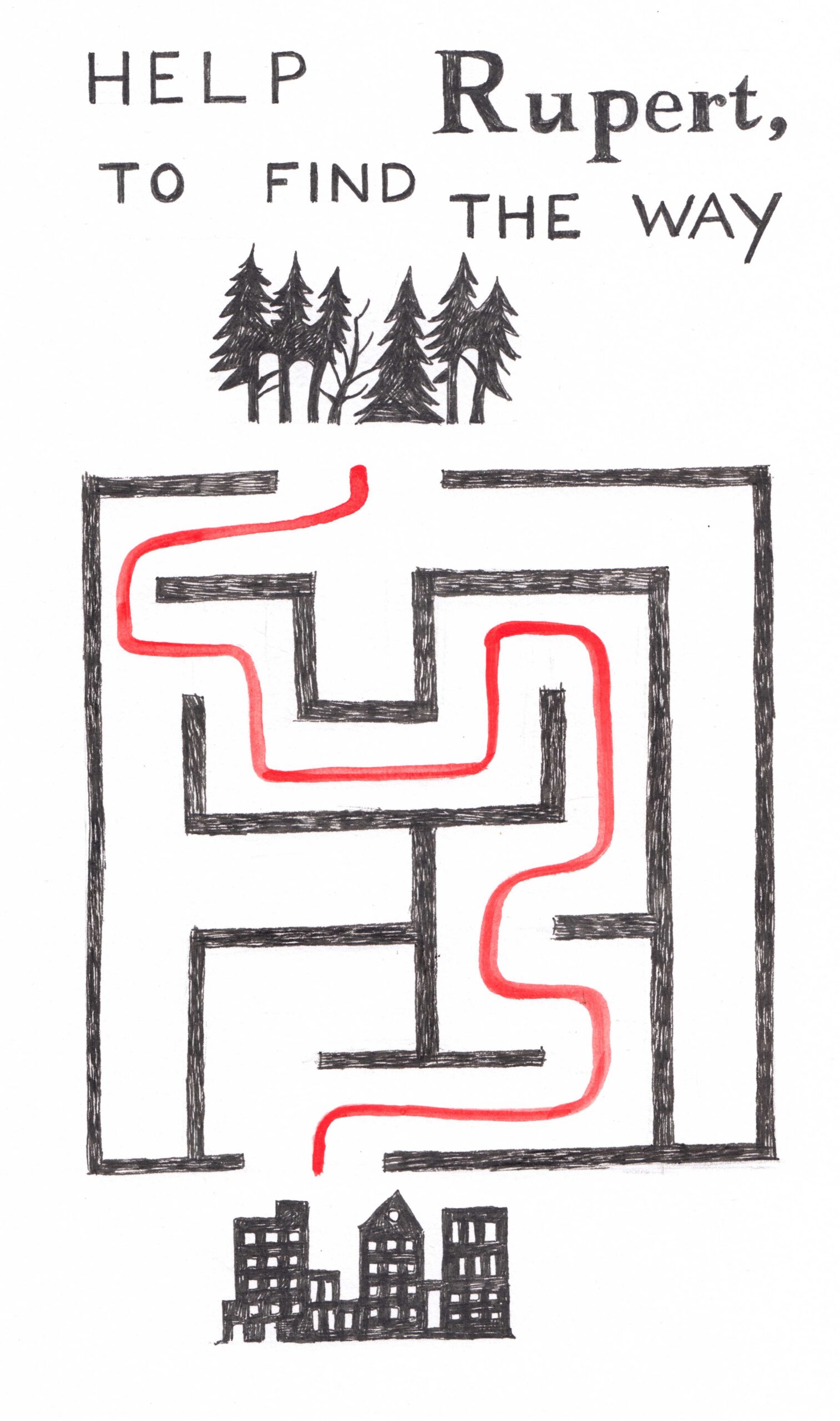
One of the most dangerous conditions affecting institutions is stagnation; consequently, transformation becomes vital to their survival. In autumn of 2025, the Rupert Art Centre entered a new phase in its existence, exchanging its riverside home in Valakampiai for a space framed by large panoramic windows in the centre of Vilnius. Along with the relocation, we transferred our residency and alternative education programmes – and who knows, perhaps one day even the sauna will find its place here.
I must admit that, internally, I resisted this shift in environment from the natural to an urban landscape, even while understanding its necessity. In these anxiety-charged times, it felt particularly difficult to leave behind a workplace permeated with the atmosphere of a retreat, where meetings with artists could unfold in the forest or by the river with birds chirping.
Yet the pulse of the city – familiar artists and friends passing by or dropping in (finally we are easy to reach!), the meditative flow of traffic – quickly softened the Valakampiai chapter into something resembling a dreamlike state (a dream that, I believe, we will one day interpret). The new windows, the spaces themselves, and their remarkable potential, carefully revealed and shaped by architects Ona Lozuraitytė and Petras Išora, now inspire us in our eager anticipation. We look forward to activating a performance programme, presenting artists’ works on the building’s facade, and transforming the storefront into a large screen and a platform for extraordinary ideas encountering artists, townspeople and neighbours.
Vilnius National Gallery: the former Soviet Museum of Revolution reconstructed into a national gallery
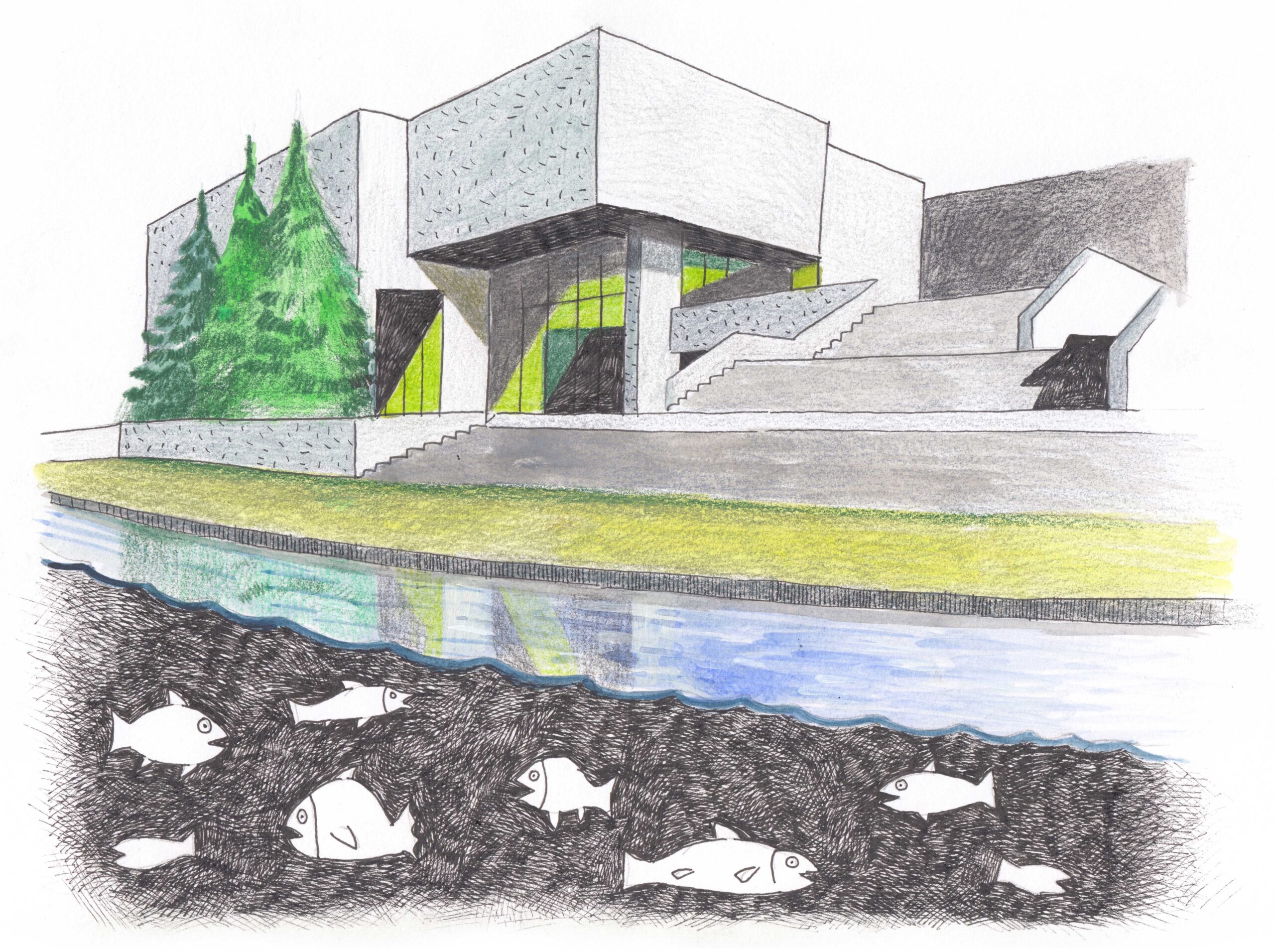
The National Gallery of Art is housed in the converted building of the former Soviet Museum of Revolution, designed in the 1960s and opened in 1980.
When we began working there in 2009, following the building’s reconstruction and expansion, the entire NGA team not only understood but also came to recognise in our everyday practice that we were operating in a space where memory and contemporary change intersect dynamically. Before its renovation, the building was undeniably burdened by the ambiguous legacy of the Soviet period – the ”ghosts of communism."
However, its transformed image and, it seems, the momentum of NGA’s programme fostering critical reflection have reshaped the way it is perceived, encouraging its recognition as one of the most prominent examples of late modernist architecture in Lithuania.
Its open, flowing, interconnecting spaces, which engage closely with the surrounding environment, are not always ideally suited to museum exhibitions. Today, neither are artists and curators unreservedly enamoured of the gallery’s primary structural elements – the white cubes. Yet we accept this as a stimulus for the emergence of new ideas and practices.
The building continues to challenge and inspire us, and through our work we, in turn, seek to inhabit it with new layers of meaning.