Curators talk a lot about care and their varied responsibility. There is a societal crisis of care, ecocrisis in an age of biodiversity loss, contemporaneity is on polycrisis. Do curators want to prove that they are more than institutional bloodsuckers? Yes and no. They want to justify their practice and show that curators do more than exhibitions and speak art jargon on panels. But has care also become part of the jargon? Do curators really care?
Ambiguous care
In a recent interview in Trickster Magazine, Finnish artist Man Yau was asked if care represents a conceptual tool for her. Yau drew attention to how institutions often use care as a buzzword, something that appears in press releases but is missing from actual working processes: “If care is really at the heart of curating, then we need to see it practiced, not just stated.”
Yau is right that there is growing pressure on museums and curators to care. There is pressure for inclusivity, transparency and equal representation across the diversity of artists. There is pressure for sustainable working conditions and fair artist fees.
Historically, care in a broad sense has been addressed longer in artistic than curatorial practice. In this, much is owed to female artists. For example, in the history of modern art, we could discuss this in relation to Hilma af Klint’s esotericism directed towards the spiritual evolution of humanity, or the feminist concerns of women’s role in society in Hannah Höch’s work. In the history of contemporary art, second wave feminist artists like Judy Chicago or the later Guerrilla Girls raised questions of care, such as care work, invisible and emotional labour, and social reproduction.
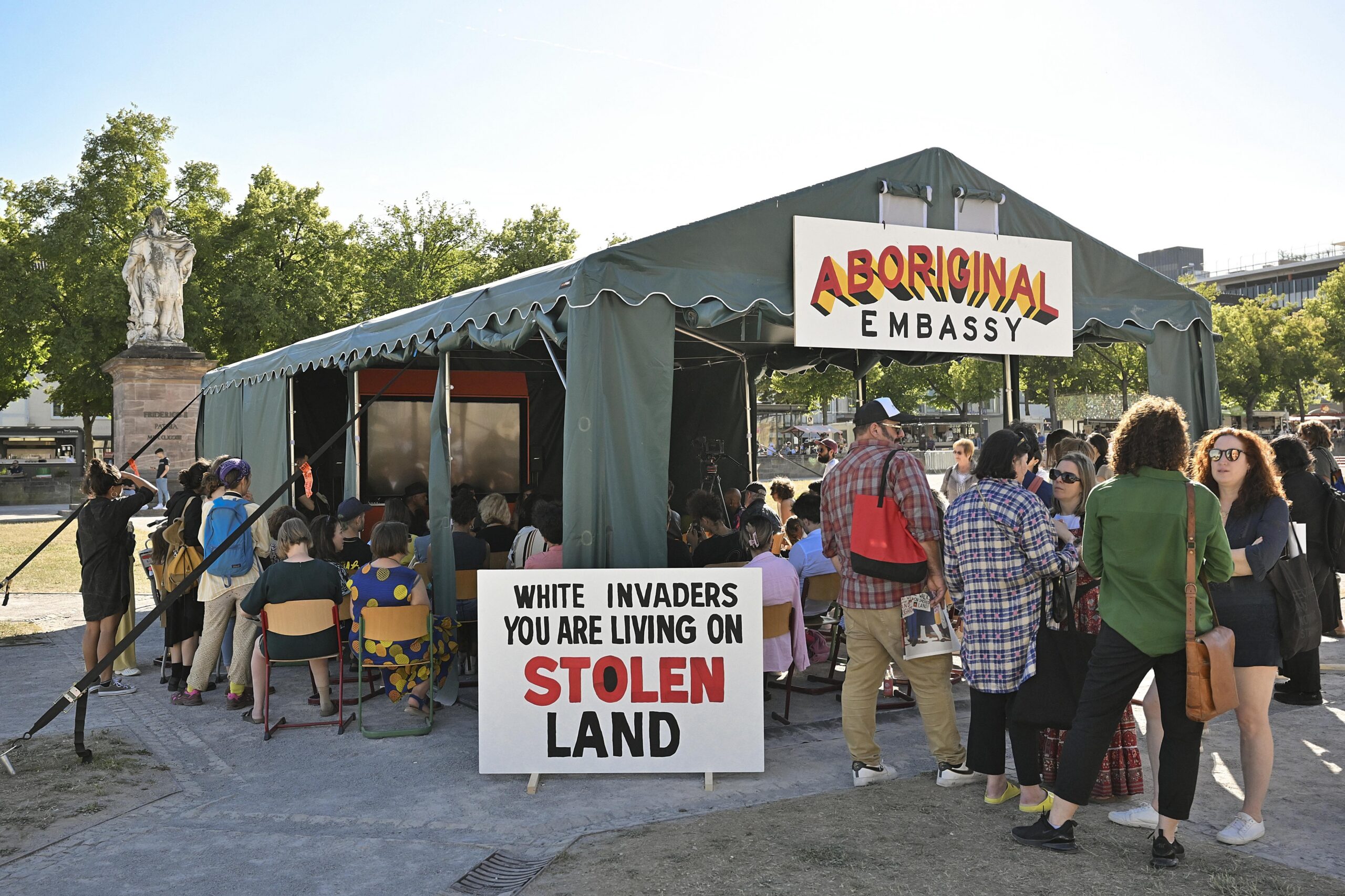
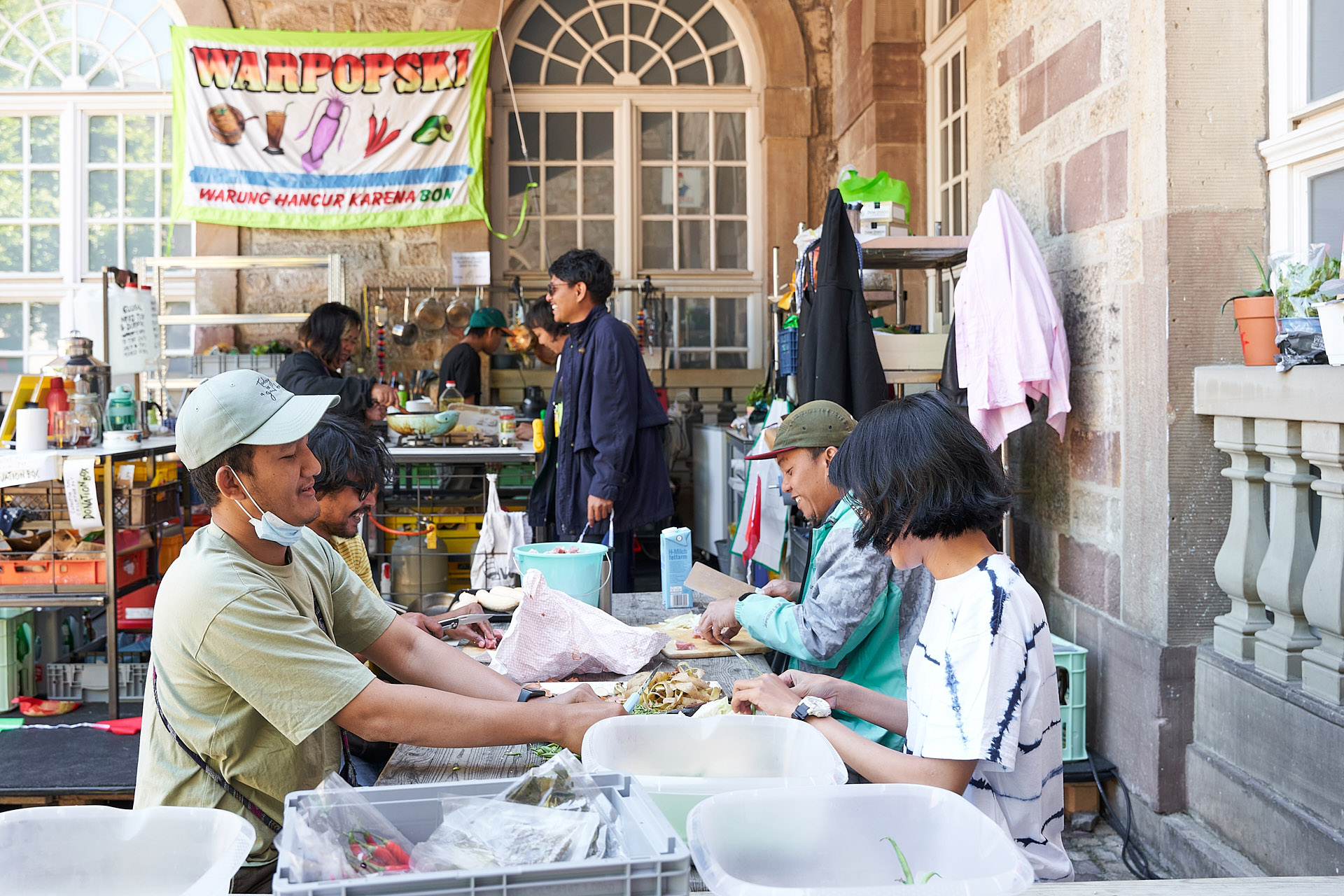
During the past decade, artist collectives have showed what care can mean in the context of art labour. The most famous example is documenta fifteen, which demonstrated how giving space and sharing resources can provide a meaningful context for being together – the concept of documenta fifteen was based on the Indonesian word lumbung meaning harvest, referring to the collective sharing that invited collectives and artist initiatives practiced concretely during the exhibition.
The idea of the contemporary curator emerged mainly over the past fifty years. Curators gained professional recognition during the 1980s, which enabled the rise of star curators in the 1990s. Curators occupied the spotlight but faced questions of ethics and concerns regarding their position of authority. I understand the discourse around care partly as way of adapting soft values to positions of power. By evoking care, curators try to legitimise their work in a world where everything is labelled curating.However, it is not exactly clear what care is in the context of the artworld. I would argue that care can be understood in at least four different ways within contemporary art. First, care can be a part of the action or practice of an artist’s or curator’s work. It can consist of simple gestures or form a deeper essential part of the practice, such as in Mierle Laderman Ukeles’ work on maintenance. The subject of Ukeles’ work is socially necessary and partly invisible work, such as cleaning or public maintenance work, which forms the basis for her concept of maintenance art. Second, care can be a theoretical background or starting point. Care leads to multiple intellectual traditions: feminist ethics of care, queer theory and the reparative turn, as different meanings in continental philosophy. Third, care can be understood as participation in the discourse surrounding care-related issues, feminist care theory and activism responding to neoliberal politics. Fourth, care itself can produce what might be called care art, where care itself is a topic or takes on a performative role. I believe in nominalism when it comes to curator’s care, not in a universal concept or a checklist of dos and don’ts for curators. Care depends on context. Because there is no single meaning of curator’s care, I decided to make a call and share my concerns with another curator, Margit Säde, whose practice tackles the question of care and who has spoken on the theme before. I would also say her work shows what the care of a curator can be without explicitly proclaiming it.
Care embodied in curating
Säde and I quickly agreed that manifested care itself does not say anything about a curator’s ethical practice. Just as there are different forms of washing like pink or green washing, we can also talk about care-washing. “I think mostly the intentions are good,” Säde says. “But it becomes this one word that seems like a magic cure for all the world’s problems. It starts to embody a lot of the frustration that artists and curators feel on a societal level, the feeling of having our hands tied, not being able to do anything.”
Säde believes that care can be part of curatorial work without being explicitly manifested: “Care is already embedded in the work of people who really care about curating. Thinking about people is essential in curating, especially in regard to the most vulnerable: children, youth, the elderly and those struggling with other challenges. While organising art in different spaces or in the public realm, it should come across that these considerations have been carefully thought through.”
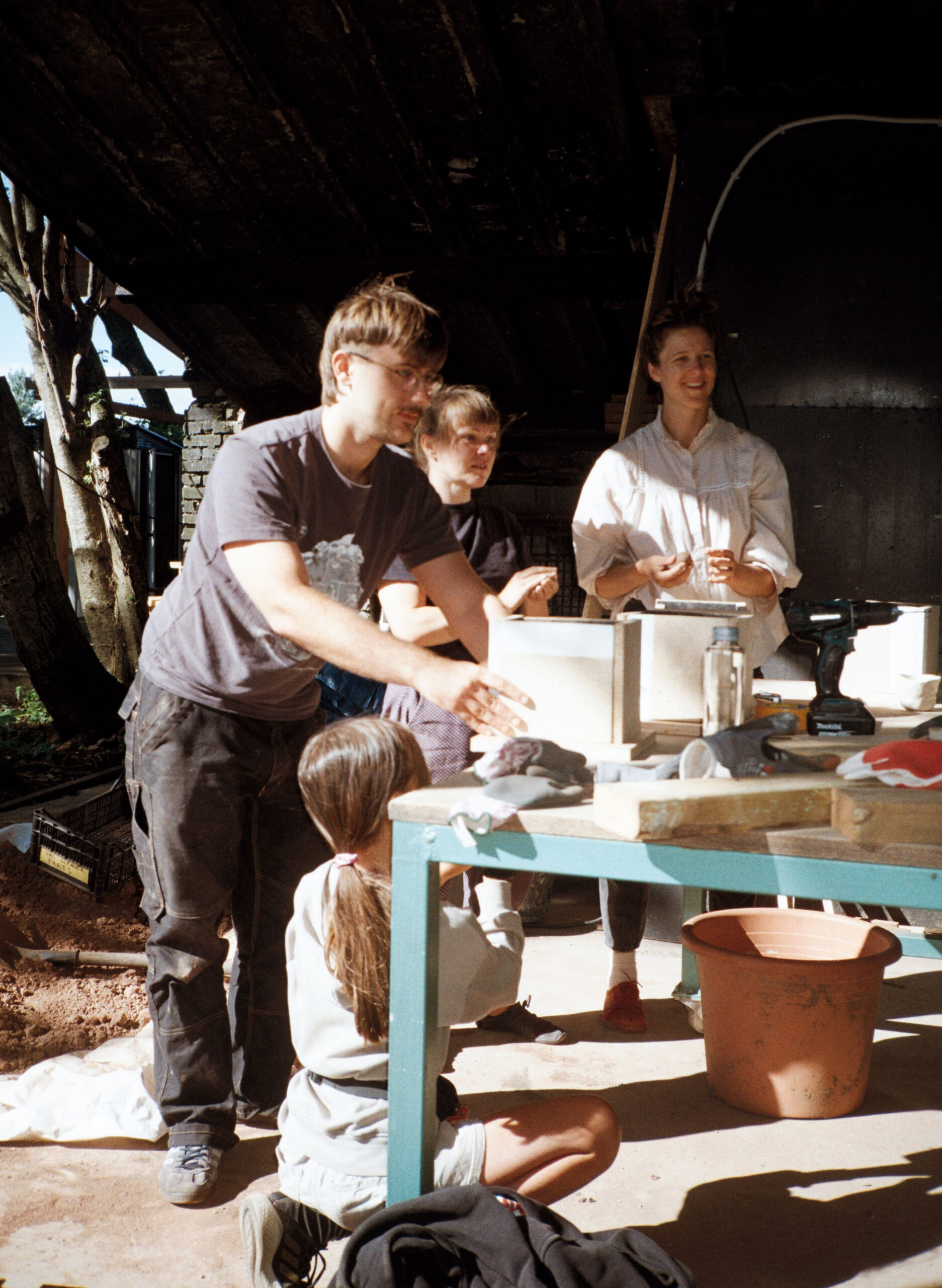
As a parent of two children – a teenager and a toddler – Säde describes care as never-ending maintenance. “You can’t care just a little bit, you need to make breakfast, lunch, dinner, then in between you do the dishes, laundry, and clean up all the crumbles. It’s maintenance. You’re maintaining life, and it’s time-consuming. That’s very different from cultural labour, where everything must happen quickly. Curatorial care for me would mean working on a project for five years instead of one or two,” Säde explains.
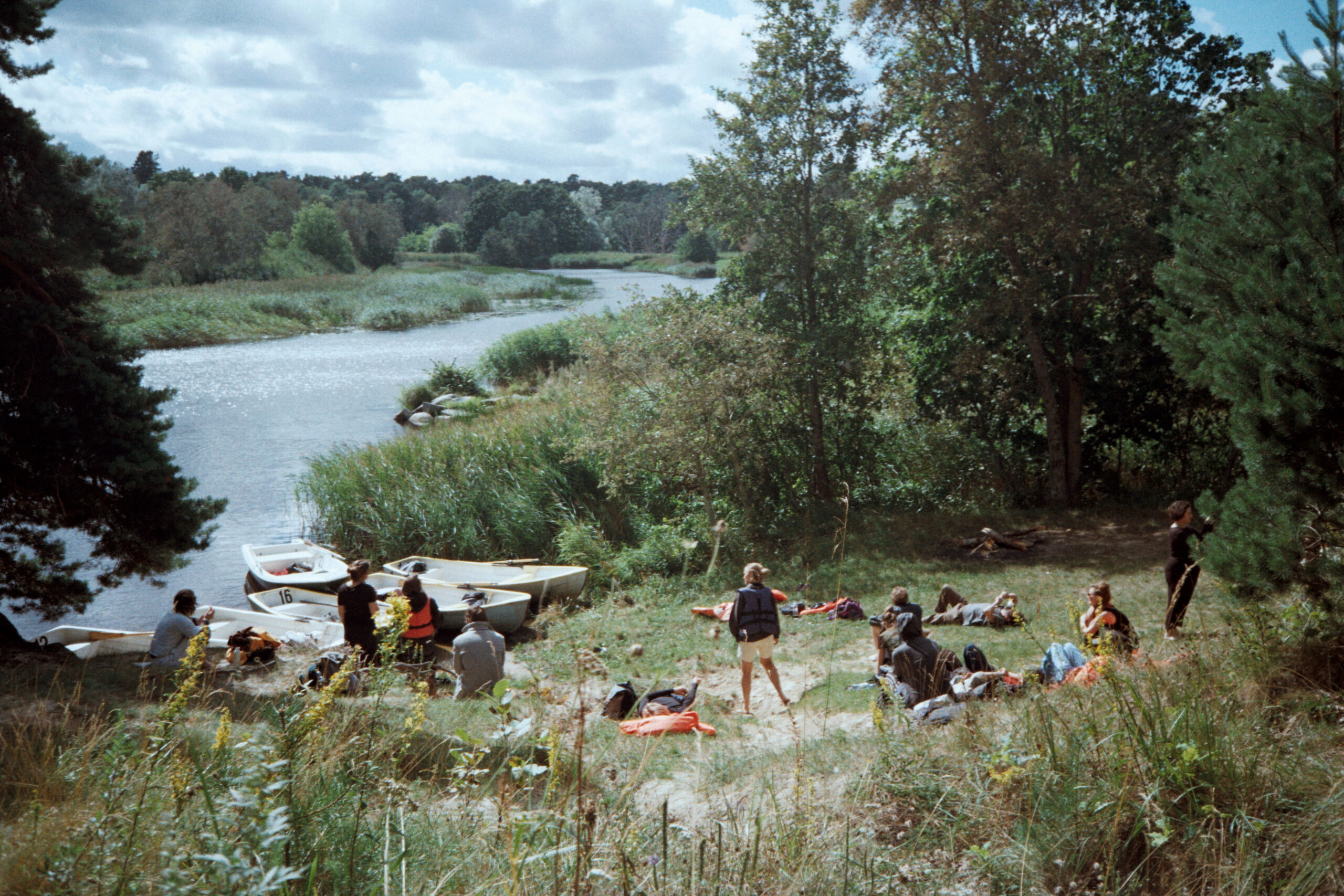
I suggested that care can be understood in at least four different forms in contemporary art practice but I am also aware that the mentioned perspectives can be overlapping, visible or invisible. Because these forms cannot directly say anything about the ethics practiced by the artist or curator, context matters. That is also what Säde thinks. “I’m constantly redefining this word through the feedback of my experience. If you have elderly parents or grandparents, it adds a layer. If you have pets or friends with special needs, that adds another.” Care can also mean “not harming anyone”, an idea extending to other species like in the exhibition Always Is Everywhere, curated by Säde at EKKM in Tallinn in summer 2025. “It can be about the diversity of entities. Some are accessible to us, some less. It’s about attention and respect towards all living [things], a brief moment of wholeness, small gestures,” Säde thinks.
Care can function as an open mediation tool in exhibition formats or public programmes that make being together and sharing resources possible at a low threshold. Somehow, I find myself missing a broader discussion about the importance of mediation in curating, as it lies at the heart of the relationships that emerge in the exhibition space. This can also be done subtly and with a sense of friendliness toward the visitor. Säde is a curator who does not need to control or own everything: “I really like exhibitions that do things without words or declarations that ‘now we are doing this’. I’m always influenced by my personal life. I was planning the exhibition for EKKM, and I was in the mindset of giving birth and remembering the momentum of being totally present and how I was supported through that process.”
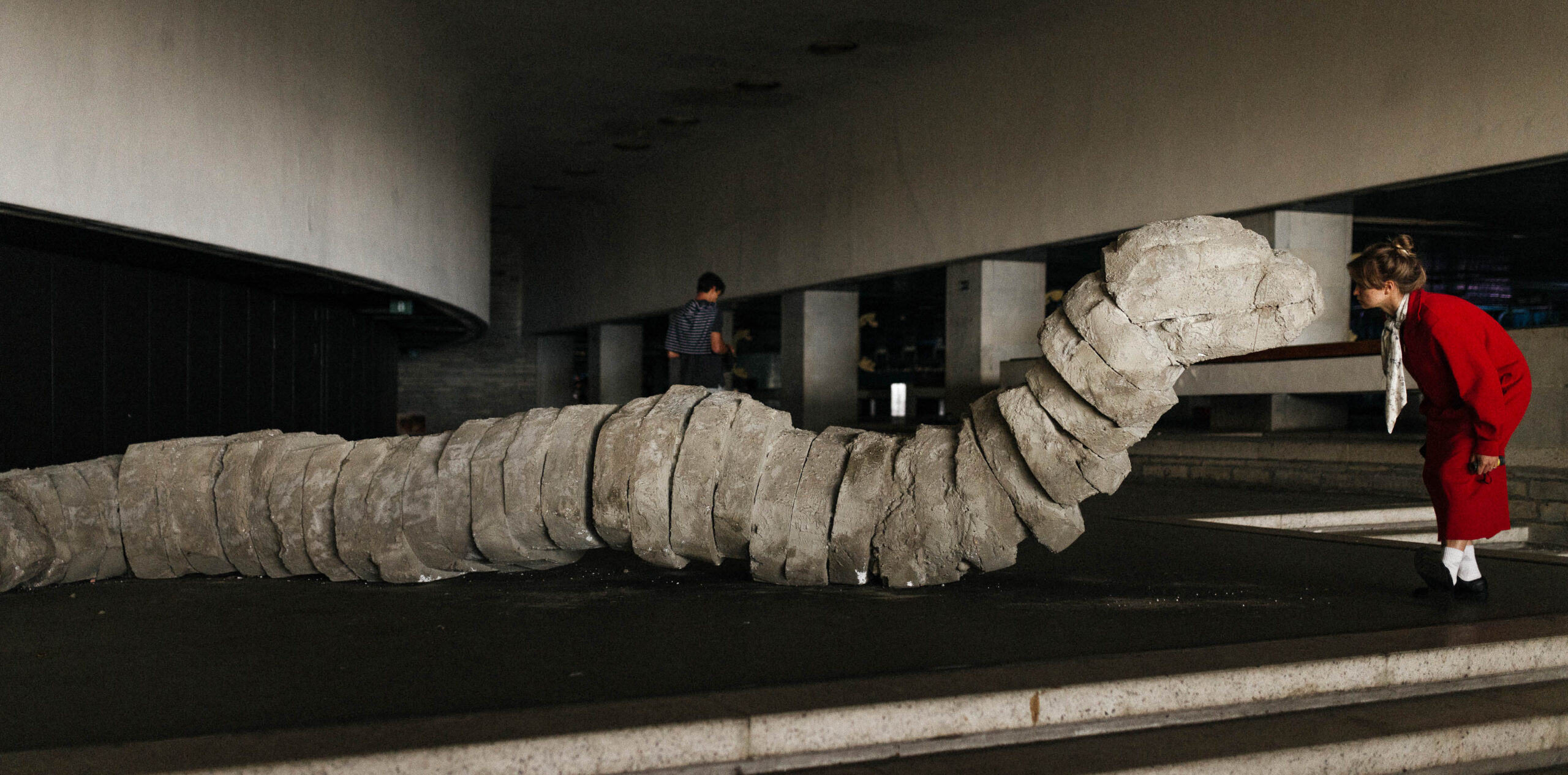
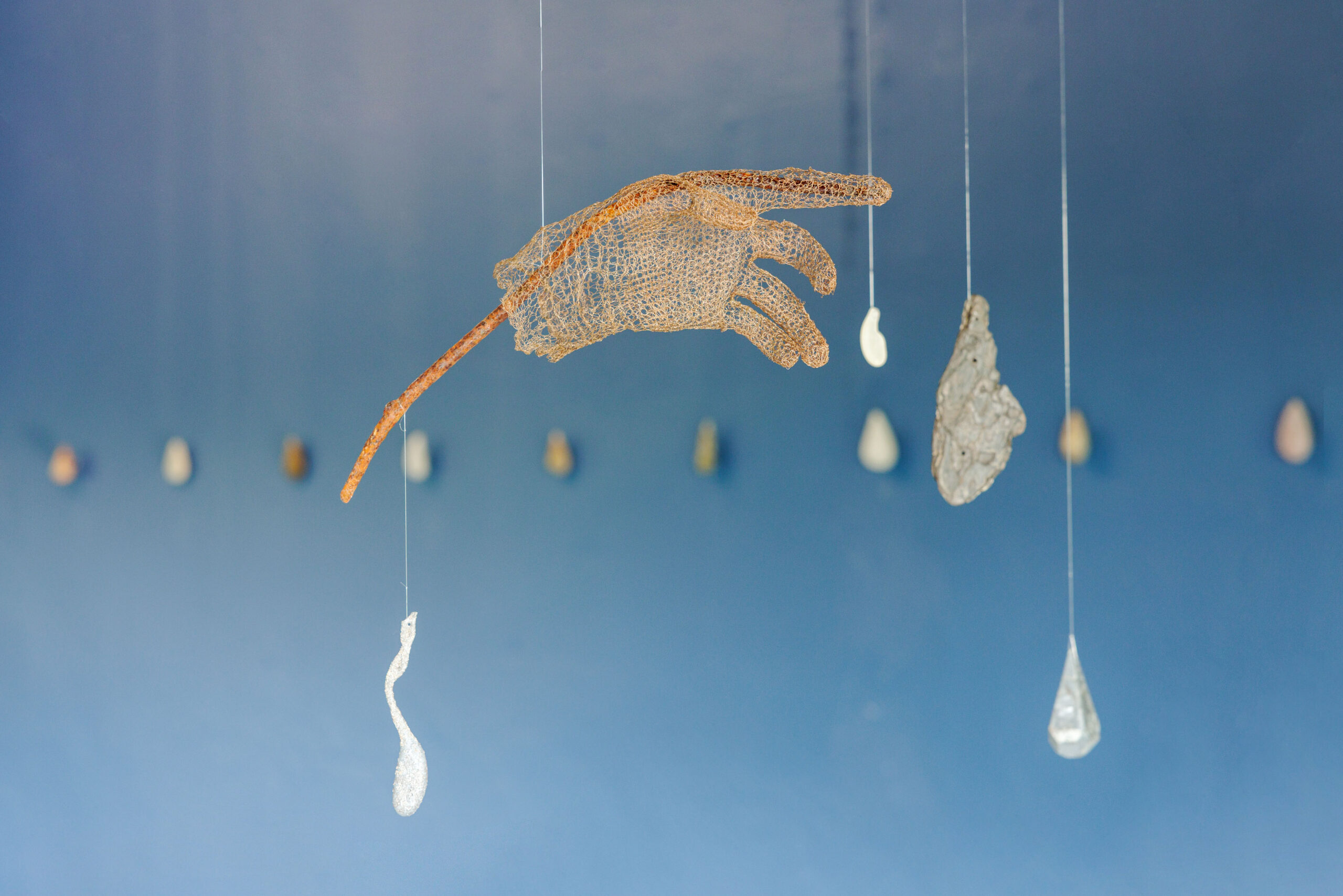
Säde also co-curated Fugacity with Kristina Grigorjeva at Tallinn Linnahall, an abandoned Palace of Culture and Sports on Tallinn harbour in 2023. Built for the sailing events of the 1980 Moscow Olympics, this concrete Soviet monument holds a central place in the city’s maritime cityscape, but as a site carries a colonial past. Because the venue is quite dilapidated, it has been closed for decades, Fugacity attracted unexpected interest and Säde ended up doing care in the most traditional sense of the curatorial, caring for artworks: “For the first time I had the experience of having to protect artworks from the masses. I felt the works needed protection. Dora Budor’s Pucks made using coffee waste were taken for actual ice hockey pucks and kicked around, Vanessa Billy’s Centipedes were stumbled upon and Edith Karlsson’s Sisters as enormous snakes were climbed on by teenagers.”
Care in art labour is not only about how it is practiced, but also about how it is supported. Säde admits that the support of her family and partner has been essential; for example, the time when her partner rented a van to transport a huge bundle of garden hose. Loved ones and family also set limits on work, a potential way out of self-exploitation for art and cultural workers. “Yes, family gives structure. But at some point, you also notice that you’re self-exploiting for the sake of your family.”
The ambivalence of care
As a freelance art curator and writer, I am concerned about the risk of self-exploitation. For me self-exploitation is not only low-wage cultural work but also social relations among art labour. I see quite different concrete opportunities for care compared with curating in museums or institutions. For me, care is solidarity when competing for little resources and opportunities for exhibiting. It’s aiming to understand individual expectations of what collaboration means. Helping, being open and nice. At the same time, it also means avoiding double standards and narrowing the gap between the professional role and the real self. Generally speaking, my relationship with care is also changing. I am writing this essay while my partner is in the final phase of her pregnancy. I should be at home, ready to order a taxi but I am sitting in my workroom in fear of a deadline. The fact that I am about to become a father has brought a new perspective on self-care and my different roles. In some ways, I care too much about myself – about what others think of what I say, how I behave, or how I look. At the same time, I – like men in general – have not taken enough care of myself. I have smoked for over twenty years, consumed too much wine at openings and beer just for fun. I have worked too much with the constant pile of applications and low salary work, while also trying to keep my body mass index at least tolerable. As a curator, I believe in care. And like Säde, I don’t believe it needs to be manifested or spelled out as a list of words – kindness, listening, dialogue-based, empathy – in a curator’s statement or bio. Caring is hard work. It involves interpersonal skills, conflict resolution, and the ability to understand others but also the care of the self.